When upper-floor residents start calling the management office about a weak shower or no water at all, the culprit is usually the building's water booster pump system, not the city main. LA New York Pump repairs, maintains and replaces domestic water booster pumps and packaged booster systems for property managers, supers and owners of apartment buildings, condos, co-ops and commercial properties across New York City, Long Island and Westchester.
We work on everything from a single house pump that fills a rooftop tank to triplex variable-speed skids with their own controller, and we approach every job the same way: we inspect, discover and fix, with the goal of getting pressure back to every floor and keeping disruption to residents as short as possible.
What a Water Booster Pump Does
Street pressure in most of New York City is only strong enough to push water up roughly five or six stories. Above that, a building needs help. Older buildings typically use house pumps, often called roof tank or fill pumps, that lift water to a wood or steel gravity tank on the roof. Level controls in the tank start and stop the pumps, and gravity feeds the floors below. Newer and renovated buildings more often use a packaged constant-pressure booster system that pumps directly into the riser and holds a set discharge pressure around the clock.
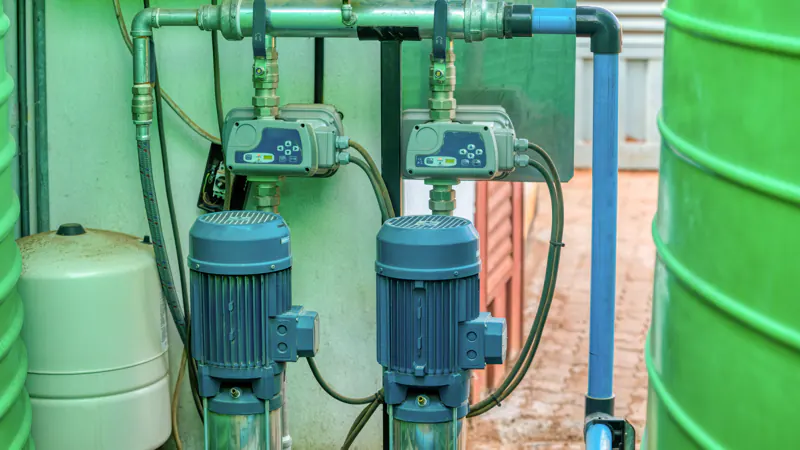
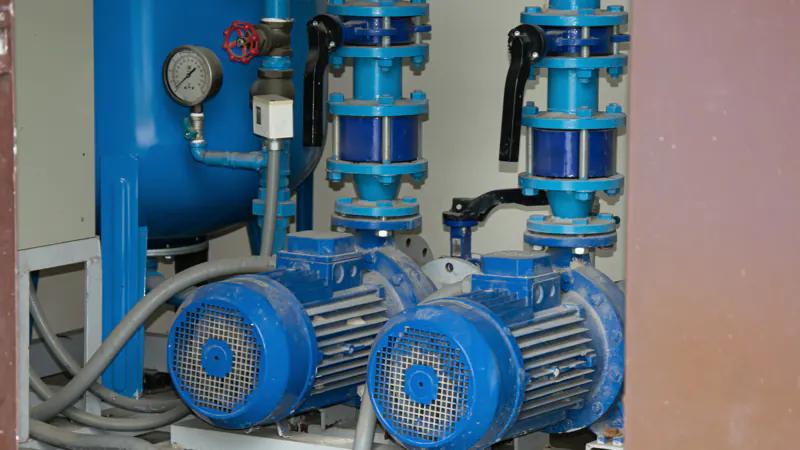
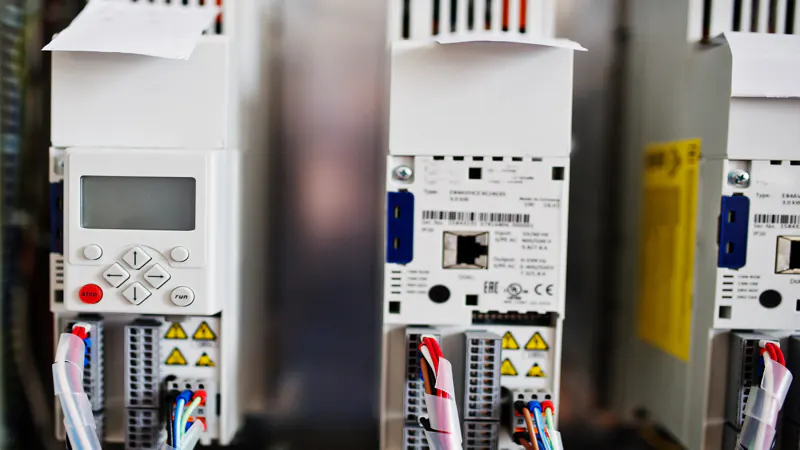
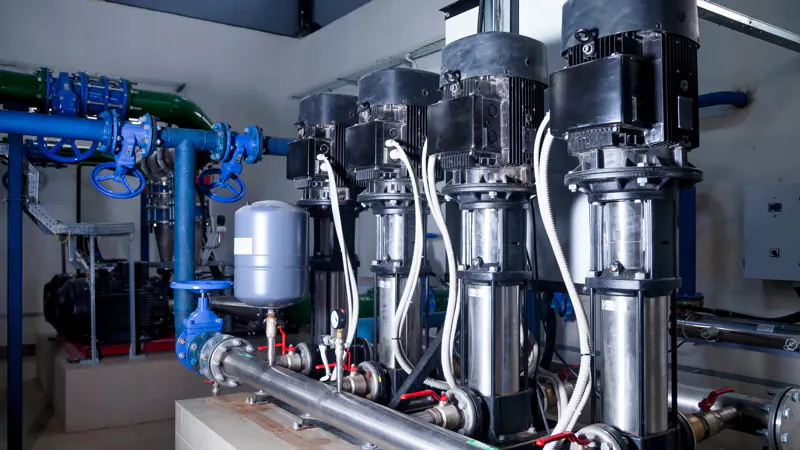
A typical packaged system is a duplex or triplex skid of multistage vertical pumps sharing suction and discharge headers, each pump with its own isolation valves and check valve, plus a controller, pressure transducers, a small hydropneumatic tank and, on most modern units, variable frequency drives (VFDs). The pumps alternate lead and lag duty, stage on as demand rises and shut down at no flow. In taller buildings the riser is often split into pressure zones, with pressure-reducing valves (PRVs) keeping the lower floors from seeing excessive pressure. Booster pumps are also common in low-rise commercial buildings on Long Island and in Westchester where incoming pressure is too low for flush valves, commercial kitchens or process equipment.
Warning Signs Your Booster System Needs Service
- Low or inconsistent pressure on upper floors, especially during morning and evening peaks
- Pressure that surges or sags when a second pump stages on or off
- Pumps that cycle on and off every few seconds, or run all night with no demand
- A bang or water hammer when a pump stops, which usually points to a failing check valve
- A grinding, gravel-like sound from a pump, a sign of cavitation or low suction pressure
- Water leaking at a pump's mechanical seal or pooling under the skid
- VFD fault codes, tripped breakers or a pump locked out on the controller
- A roof tank that overflows or runs low, or house pumps that never seem to shut off
Our guide to the signs your water booster pump needs repair covers each symptom in more detail.
Booster Pump Repair, Maintenance and Replacement
Repair
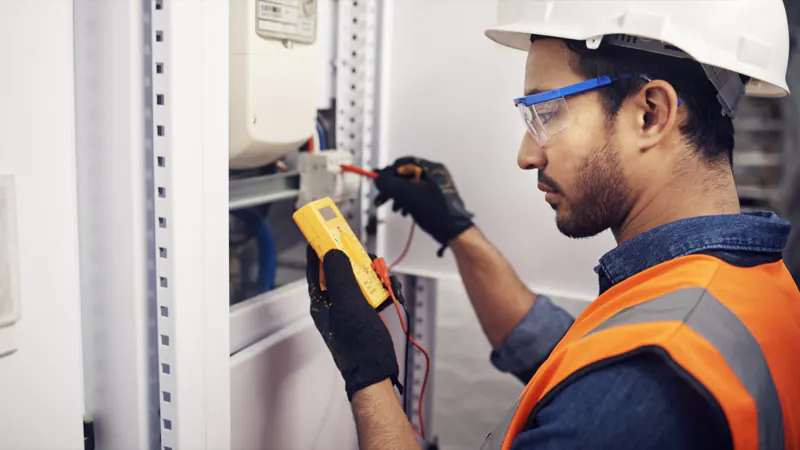
Most booster calls are solved on site. We replace mechanical seals and bearings, rebuild or replace multistage pump stacks with worn impellers, replace failed check valves (upgrading to quieter spring-loaded silent checks where hammer is a problem), rebuild or reset PRVs, and replace failed pressure transducers, low-suction-pressure switches and tank level controls. When the problem is electrical, we troubleshoot the controller and drives through our pump control panel and VFD services, and we test motors that are tripping or running hot.
Preventive maintenance
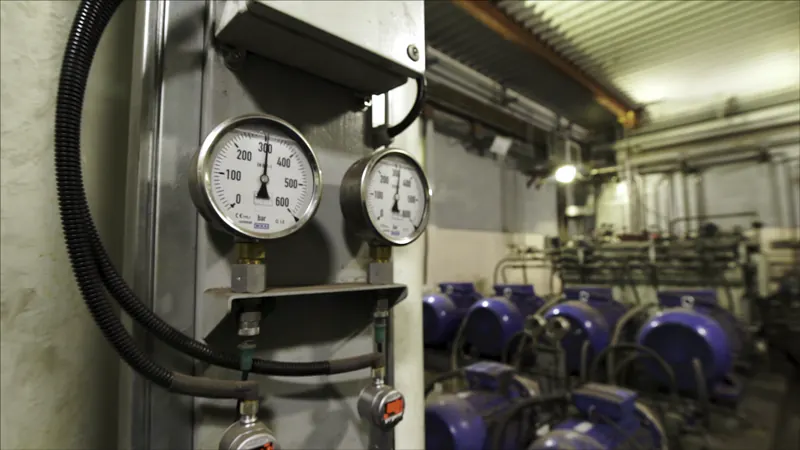
A maintenance visit includes verifying setpoints and that the system holds pressure as demand changes; recording suction and discharge pressures; checking motor current against the nameplate; listening for bearing noise and checking vibration; inspecting seals, couplings and gauges; confirming lead/lag alternation and no-flow shutdown; checking the hydropneumatic tank pre-charge; exercising isolation valves; and cleaning suction strainers. Logged readings reveal trends, like a pump drawing more current each visit, before they cause an outage.
Installation and replacement
When a system reaches the end of its life, we help you choose a replacement sized for the building's actual peak demand, the available suction pressure and the height of the highest fixture, not just the nameplate of the old pump. Common projects include replacing worn roof tank fill pumps, retrofitting constant-speed pumps with VFD control, and replacing an entire packaged system. Larger replacements in New York City can involve permits or filings, so confirm the requirements for your building with the Department of Buildings or your engineer of record.
Common Booster Pump Problems and Their Causes
| Problem | Common causes |
|---|---|
| Low pressure on top floors | Worn impellers, a pump out of service, a drifting transducer, a wrong setpoint, a clogged strainer or a stuck PRV |
| Short cycling | Waterlogged or undercharged hydropneumatic tank, leaking check valve, poorly tuned controls or a leak in the building |
| Leaking pump | Mechanical seal failure from dry running, debris in the water or simple age |
| Noise and vibration | Cavitation from low suction pressure, failing bearings, loose mounts or misalignment |
| Pump won't start | Tripped overload, drive fault, low-suction cutout or a failed motor |
| Water hammer | Slamming check valves or pumps stopping abruptly without a controlled ramp-down |
Short cycling usually traces back to the tank. Our pressure tank services page covers how we test, recharge and replace hydropneumatic tanks.
Booster Equipment We Work On
- House pumps and roof tank fill pumps, along with their tank level controls
- Duplex and triplex packaged constant-pressure booster systems
- Constant-speed systems and variable-speed systems with VFDs
- Multistage vertical, inline and end-suction booster pumps and their motors
- Check valves, pressure-reducing valves and hydropneumatic tanks on the booster discharge
Older or less common packages are rarely a problem, since the pumps, valves, sensors and drives inside most systems are standard components.
How a Booster Pump Service Visit Works
- Inspect. We talk with the super or building engineer about what tenants are reporting, then look at the whole system: suction and discharge pressure, controller history, each pump's condition, the tank and the valves.
- Discover. We isolate the root cause, whether it's a pump, a valve, a sensor, a setting or the incoming supply itself, and explain your options in plain language.
- Fix. With your approval, we make the repair, test the system under real demand and confirm pressure holds on the top floor before we leave.
For Property Managers and Supers
A booster failure reaches the management office as a wave of resident complaints, often at the worst possible hour. A few things make that call easier to handle:
- When you call, tell us which floors are affected, whether the pumps are running and what the controller or drives are showing, so we arrive prepared
- Because few buildings have a spare booster system, we work to keep at least one pump in service during repairs whenever the setup allows it
- We explain what we found and lay out the repair and replacement options in plain terms you can take to the owner or board
- Regular preventive maintenance catches worn seals, bearings and check valves before they turn into a no-water call
- One family-owned pump company can look after the boosters across your portfolio in New York City, Long Island and Westchester
See how we work with property managers and building portfolios. If a building has lost water right now, go to our 24/7 emergency pump repair page or call us directly.
We service booster systems throughout Manhattan, Queens and the rest of the five boroughs, as well as Nassau, Suffolk and Westchester. To understand why top floors struggle, read why upper floors lose water pressure.
No water upstairs, or a booster system that won't hold pressure? Call LA New York Pump at (631) 565-9577. We're available 24/7 for emergencies across New York City, Long Island and Westchester.