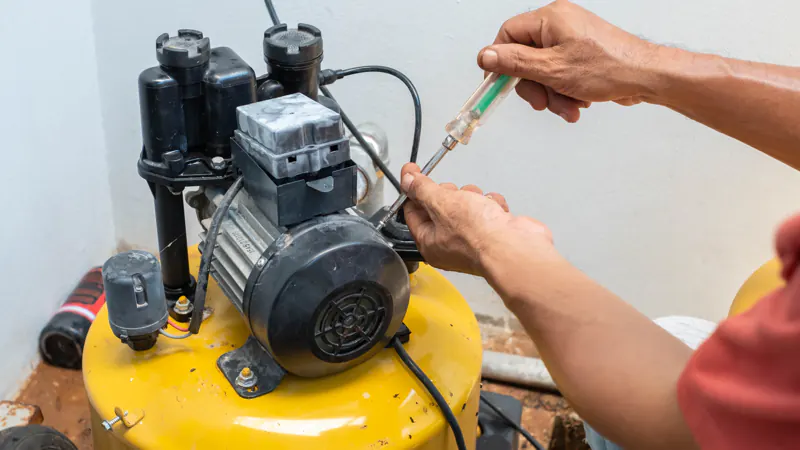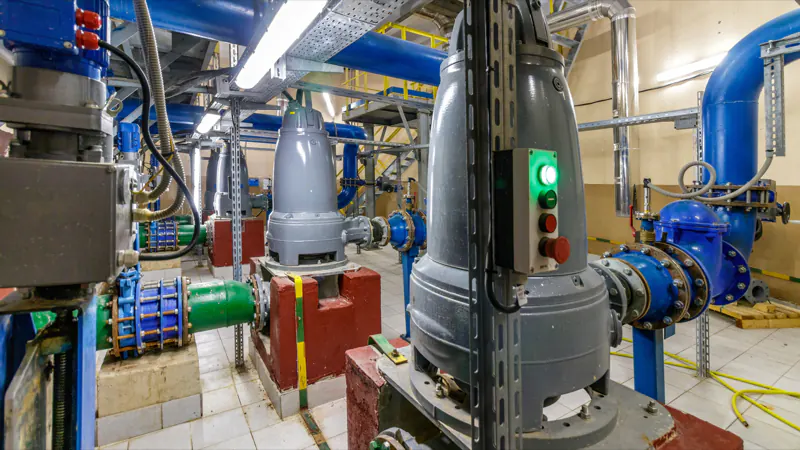
Any toilet, shower, laundry or floor drain that sits below a building's sewer line depends on a sewage ejector pump to get waste out of the building. When that pump fails, the result is a backup into a basement apartment, laundry room or common area, a cleanup nobody wants and a round of resident complaints. LA New York Pump repairs, maintains and replaces sewage ejector and grinder pumps for property managers and supers of apartment buildings, condos and co-ops, as well as commercial properties and homes, throughout New York City, Long Island and Westchester.
How Sewage Ejector Systems Work
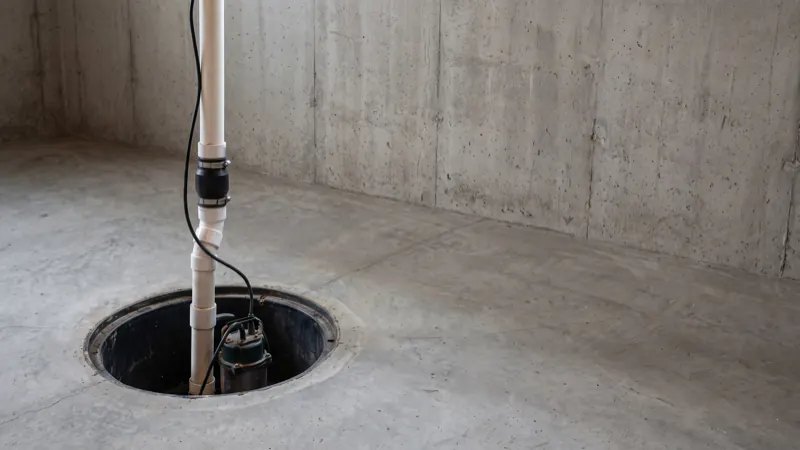
In many New York buildings, the house sewer leaves through the foundation wall several feet above the basement floor. Fixtures below that point, such as a basement bathroom, a laundry room, a below-grade apartment or a restaurant prep area, drain by gravity into a sealed basin set into the floor. When the basin fills to a set level, a float switch starts the ejector pump, which lifts the sewage up through a discharge pipe into the gravity sewer. A check valve keeps pumped waste from draining back into the basin, and a shutoff valve lets the pump be isolated for service.
Because the basin holds raw sewage, its cover is gasketed and gas-tight, and the basin is connected to the building's vent system so sewer gas exits above the roof, not into the basement. A separate high-water alarm float warns occupants if the level rises past the pump's normal operating range.
Ejector pumps vs. grinder pumps
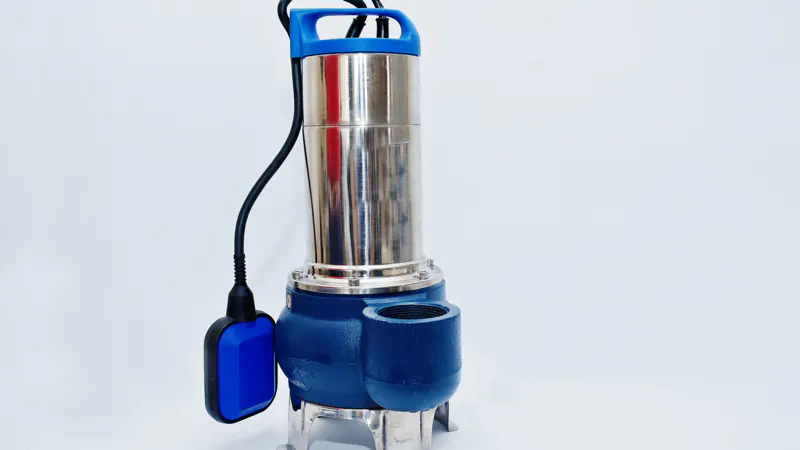
A standard sewage ejector uses a non-clog impeller that passes soft solids, commonly up to 2 inches in diameter, through a 2-inch or larger discharge. A grinder pump has cutting blades that shred waste into a slurry, which allows a smaller discharge pipe and higher head. That makes a grinder the better fit for long horizontal runs or where waste has to be lifted a greater height. Using the wrong type for the job is a common reason for repeated failures.
Simplex and duplex systems
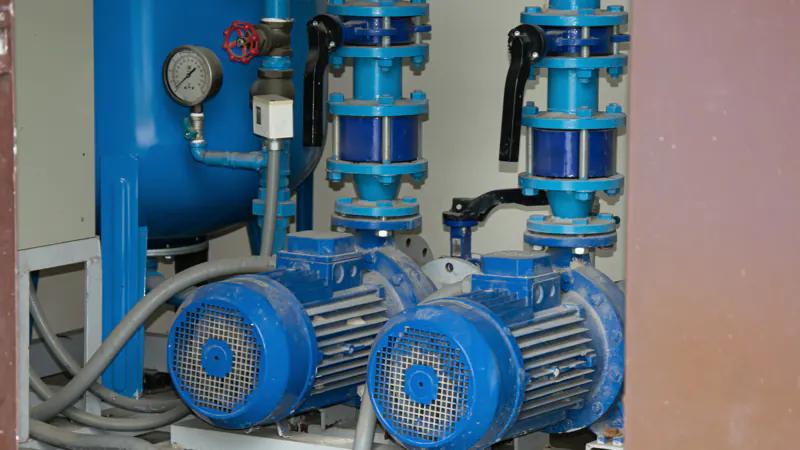
Homes usually have a simplex system: one pump in one basin. Multi-family and commercial buildings often use duplex systems with two pumps and a control panel that alternates them, runs both during heavy inflow and sounds an alarm if one fails. With a duplex system, a single pump failure doesn't have to become a flooded basement.
Signs Your Sewage Ejector Needs Attention
- The high-water alarm is sounding or its light is on
- A sewer gas odor near the basin or anywhere in the basement
- Basement toilets, showers or floor drains draining slowly or gurgling
- The pump hums but doesn't empty the basin, or runs nonstop
- The pump never seems to run, even when fixtures are in use
- A loud thump in the discharge pipe each time the pump shuts off
- The breaker or GFCI feeding the pump keeps tripping
- Water or waste seeping out around the basin cover
Warning: If sewage is backing up, stop using every fixture that drains to the basin, including the washing machine, and call for service. Don't open a sealed sewage basin yourself. Beyond the mess, sewer gases and pathogens are a real health risk.
Common Problems We Fix (and What Causes Them)
Clogs from wipes and other debris
The single most common cause of ejector failures is wipes, including the ones labeled "flushable." They don't break down the way toilet paper does. Instead they wrap around impellers, jam floats and hold check valves open. Paper towels, feminine products and kitchen grease cause the same trouble. Clearing the pump fixes today's problem; a word with tenants or staff prevents the next one. In commercial kitchens, a properly maintained grease interceptor upstream protects the ejector.
Float and switch failures
Floats tangle on their cords, hang up on the basin wall or collect grease until they no longer rise, and switch contacts eventually wear out. The result is a pump that never starts or never stops.
Check valve problems
A worn or debris-fouled check valve lets the discharge line drain back into the basin, so the pump moves the same waste over and over. A check valve that slams shut causes the thump people hear in the walls.
Odors
Persistent smells usually mean a failed cover gasket, an unsealed opening where a cord or pipe passes through the lid, or a vent that is blocked or disconnected.
Worn-out pumps
Over time, seals let water into the motor, bearings wear and windings fail, often after a pump has been straining against a clog or a stuck float. When the motor is the issue, our pump motor services help decide whether it's worth saving.
Repair, Maintenance and Replacement
Repairs include clearing clogs; replacing impellers, floats, seals, check valves and isolation valves; resealing basin covers; restoring alarm circuits; and diagnosing duplex control panels and alternators. Panel issues are covered under our pump control services.
Preventive maintenance means running the system through full cycles, testing the alarm, checking float operation and clearances, measuring motor current, inspecting the check valve and discharge piping, checking the cover seals and vent connection, and removing grease and debris buildup. Buildings with heavy use, food service or a history of wipe clogs benefit from more frequent visits.
Replacement and installation covers like-for-like pump swaps, upgrading to a grinder where the application calls for one, converting a simplex system to duplex for redundancy, and new basin installations for basement renovations. We match the new pump to the head and flow the system actually needs, so it doesn't run far off its curve.
Equipment We Work On
We work on the sewage equipment already installed in your building: submersible non-clog ejector pumps and grinder pumps in simplex and duplex basins, along with their floats, high-water alarms, check valves, shutoff valves, gas-tight basin covers and duplex control panels.
What to Expect When We Arrive
We inspect the basin, pump, floats, discharge and alarm, and ask what has been going down the drains. We discover the actual cause, whether it's a clog, a switch, a check valve, a worn pump or an undersized system, and explain it plainly before any work begins. Then we fix it, run the system through several full cycles and leave the area clean.
For Property Managers and Supers
- If the high-water alarm sounds, have staff stop use of every fixture that drains to the basin, including the laundry room, and call us
- On duplex systems, we work to keep one pump running while the other is repaired, whenever the setup allows it
- We tell you what caused the failure, such as wipes or grease, so you can address it with residents or commercial tenants
- We explain the repair and replacement options, including converting a simplex system to duplex, in terms you can bring to the owner or board
- Scheduled maintenance helps buildings with a history of clogs and alarms avoid repeat emergency calls
Learn more about how we support property managers and supers, or see emergency pump repair if sewage is backing up now.
Not sure whether you have an ejector or a sump pump? Read about sewage ejector pumps vs. sump pumps to learn the difference. We serve apartment buildings, commercial properties and homes across Brooklyn, Nassau County and the rest of our service area.
Alarm going off or sewage backing up? Call LA New York Pump at (631) 565-9577. We're available 24/7 for emergencies across New York City, Long Island and Westchester.