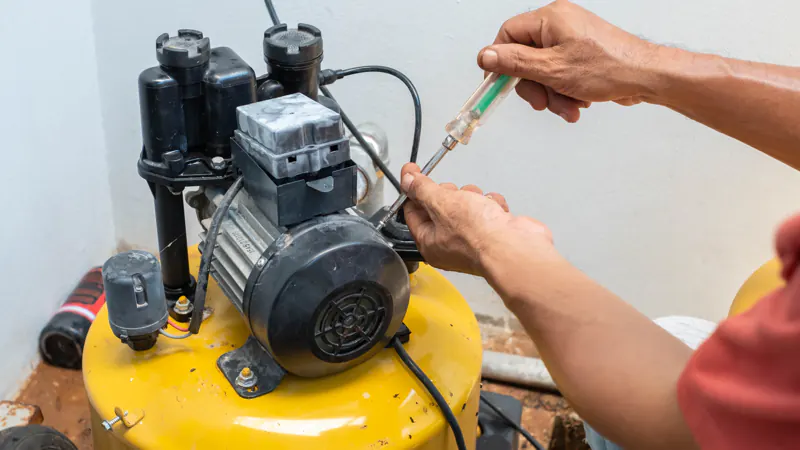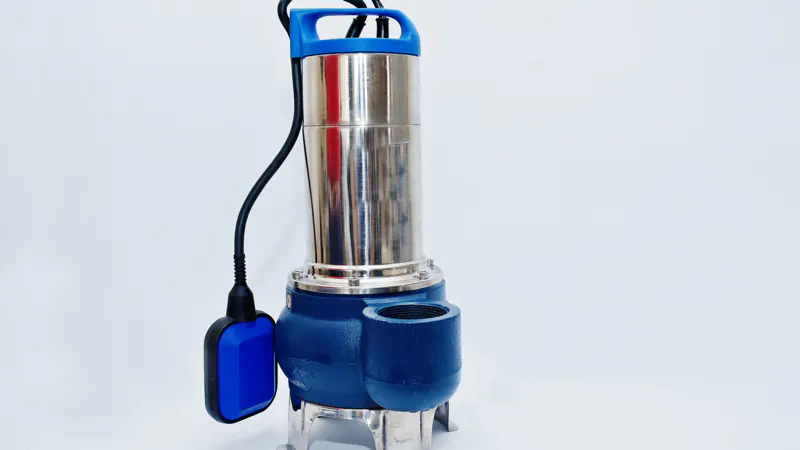
A sump pump removes groundwater and rainwater that collects under or around your foundation and sends it outside. A sewage ejector pump lifts wastewater, including toilet waste, from bathrooms, laundry rooms and other fixtures that sit below the sewer line and pushes it up into the building's sewer pipe. The two can look alike sitting in a basin in the basement floor, but they're built for different jobs, installed under different plumbing rules and are not interchangeable.
Many New York homes and buildings have one, the other or both. Here's how each system works, how to tell which one you're looking at, what typically goes wrong, and why the difference matters when something fails.
The Short Answer: Side-by-Side Comparison
| Feature | Sump pump | Sewage ejector pump |
|---|---|---|
| What it moves | Groundwater and stormwater | Wastewater from toilets, sinks, showers and washers |
| Solids handling | Small particles only | Built to pass solids, commonly up to 2 inches |
| Basin | Pit or liner that lets groundwater in | Sealed, watertight basin |
| Cover and vent | Removable lid; no vent normally required | Gas-tight, bolted cover with a vent tied into the plumbing vent system |
| Discharges to | Outside, a drywell or approved storm drainage | The building's sanitary sewer line |
| High-water alarm | Optional but useful | Strongly recommended; standard on most commercial systems |
| When it fails | Groundwater floods the basement | Sewage backs up into fixtures and floors |
How a Sump Pump Works
A sump system starts with drainage. Perforated drain tile around the footings or under the slab collects groundwater and carries it to a pit, usually at the lowest point of the basement. As the pit fills, a float switch turns on the pump, which pushes the water up through a discharge pipe and check valve to the outside. Most residential sump pumps are submersible units that sit in the pit; pedestal pumps, with the motor mounted above the pit, are an older-style alternative.
Because the water is relatively clean, sump pumps are designed to move volume, not solids, and residential units typically discharge through 1-1/4 or 1-1/2 inch pipe. Keeping one reliable is mostly a matter of regular testing, which we cover in our sump pump maintenance checklist.
How a Sewage Ejector Pump Works
Plumbing fixtures drain by gravity. When a bathroom, laundry room or kitchenette is installed below the level of the building sewer, as is common in basements and cellars, its wastewater can't flow out on its own. Instead, it drains into a sealed basin. When the level rises, a float switch starts the ejector pump, which lifts the sewage through a discharge line, check valve and shutoff valve into the gravity sewer above.
Three features set the system apart:
- Solids handling. Sewage ejectors use non-clog impellers designed to pass solids, commonly up to 2 inches in diameter, and usually discharge through 2-inch or larger pipe.
- A sealed, vented basin. Plumbing codes require a gas-tight cover and a vent, so sewer gases leave through the building's vent system and the basin can breathe as it fills and empties.
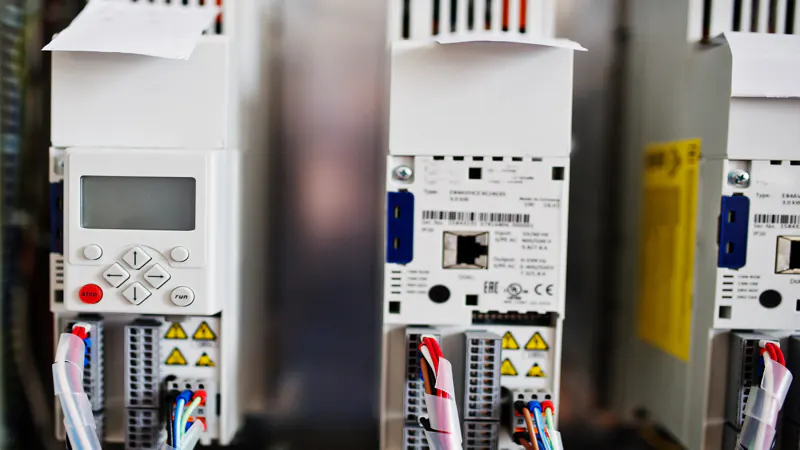
- Alarms and redundancy. In apartment buildings, restaurants and commercial properties, ejector systems are commonly duplex: two pumps run by an alternating pump control panel with a high-water alarm, so one pump can carry the load if the other fails.
What About Grinder and Effluent Pumps?
Two related pumps often get confused with ejectors. Effluent pumps handle gray water and filtered septic effluent with only small solids. Grinder pumps use cutting blades to reduce sewage to a slurry, which lets them pump at higher pressure through smaller pipe over longer distances. Which type a property needs depends on the fixtures, the distance and height to the sewer and local code, so settle it with a professional before any replacement.
How to Tell Which One You Have
- Check the lid. A bolted, gasketed cover with pipes passing through sealed fittings and a vent pipe rising from it is a sewage ejector. A loose or open lid with water visible is almost always a sump.
- Follow the drains. If a basement toilet, shower, sink or washer drains into it, it's an ejector. If water only seeps in from drain tile or the sides of the pit, it's a sump.
- Follow the discharge. A pipe that leaves through the foundation wall to the yard is a sump discharge. One that ties into the main building drain or sewer line belongs to an ejector.
- Look at the location. Ejector basins usually sit near a basement bathroom or laundry; sump pits sit at a low point, often in a corner or utility area.
- Notice the smell. A sewer odor near a basin points to a sewage system, and possibly a failed gasket, seal or vent.
Warning: Don't open a sealed sewage basin to take a look. Sewer gas can contain hydrogen sulfide and methane, and raw sewage carries bacteria. Ejector service is a job for a professional with the right equipment.
Can One Do the Other's Job?
No. A sump pump installed in a sewage basin will clog on solids, burn out and won't meet code. Mixing the two systems causes other problems too:
- Sump water generally shouldn't be piped into the sanitary sewer. Many municipalities prohibit or restrict it because stormwater can overload sewer systems, so check with your local building department before changing any discharge.
- Washing machines and other fixture drains belong in the sanitary system, not a sump pit. Gray water doesn't belong in groundwater drainage, and lint and debris clog sump pumps.
Common Problems With Each
Sump Pump Problems
Most sump failures come down to a stuck or failed float switch, a motor that burned out from running dry or nonstop, a clogged or frozen discharge line, a failed check valve that lets water fall back into the pit, or a power outage with no backup in place. Many can be caught early with a quarterly bucket test. When a pump does need work, our sump pump repair service covers repairs, replacements and backup systems.
Sewage Ejector Problems
The biggest enemy of an ejector is what goes down the drain. So-called flushable wipes, paper towels, feminine products and grease wrap around impellers, jam check valves and coat float switches. Other common problems include worn seals, failed motors, check valves that let sewage flow back into the basin so the pump keeps recycling it, and vent problems that cause odors. A high-water alarm is the warning to act on. Learn more about our sewage ejector pump repair service.
Maintenance Differences
Sump pumps are homeowner-friendly: test them with a bucket of water, keep the pit clean and check the outlet. Sewage ejectors are different. Homeowners should keep wipes and grease out of the drains and test the alarm, but anything that involves opening the basin, such as inspecting floats, pulling pumps, removing grease buildup or replacing check valves, should be done by a technician. Multi-family and commercial ejector systems benefit from scheduled preventive maintenance, since one failure can affect many units at once.
When It's an Emergency
If your ejector's high-water alarm sounds, stop using the fixtures that drain to it (don't flush the basement toilet, run the washer or shower downstairs) and call for service. In an apartment building, supers should let affected residents know and take shared laundry machines out of use until the pump is repaired. Sewage backing up through a floor drain or toilet is a health hazard, so keep people and pets away. For a sump, water rising in the pit with the pump not running, or rising faster than the pump can remove it, needs immediate attention.
Sewage alarm going off or basement taking on water? LA New York Pump provides 24/7 emergency service. Call (631) 565-9577.
Get the Right Pump for the Job
From single-family homes in Queens to apartment buildings across the five boroughs, Long Island and Westchester, we repair, maintain and replace sump pumps and sewage ejectors, from single-pump basins to duplex systems with control panels and alarms. Not sure which system you have, or whether it's worth fixing? Whether you're a homeowner, a super or a property manager, call LA New York Pump at (631) 565-9577 and we'll inspect it and give you a straight answer.
Frequently asked questions
Can I use a sump pump as a sewage ejector?
No. Sump pumps are designed for relatively clean water and cannot pass the solids found in sewage, so they clog and burn out quickly. Sewage ejector systems also need a sealed, vented basin and a proper connection to the sanitary sewer. Using the wrong pump creates a health hazard and will not meet plumbing code.
Why does a sewage ejector basin need a vent?
The vent lets sewer gases escape safely through the building's plumbing vent system instead of into the basement, and it lets air move in and out of the sealed basin as it fills and empties. A blocked or missing vent can cause odors, slow drainage and pump problems.
What should I do if my sewage ejector alarm goes off?
Stop using every fixture that drains to the ejector, such as the basement toilet, shower, sink and washing machine, so the basin does not overflow. Do not open the sealed lid. Check whether the pump's breaker has tripped, then call for service. A sounding alarm means the water level is higher than it should be.
Does every basement bathroom need a sewage ejector pump?
Only when the fixtures sit below the level of the building sewer. If the sewer line is deep enough, a basement bathroom can drain by gravity. A plumber or pump technician can check the elevations and tell you whether an ejector, a grinder pump or a gravity connection is the right choice.

We are a family-owned pump repair company serving NYC, Long Island and Westchester. Questions about your pumps? Call (631) 565-9577 any time.