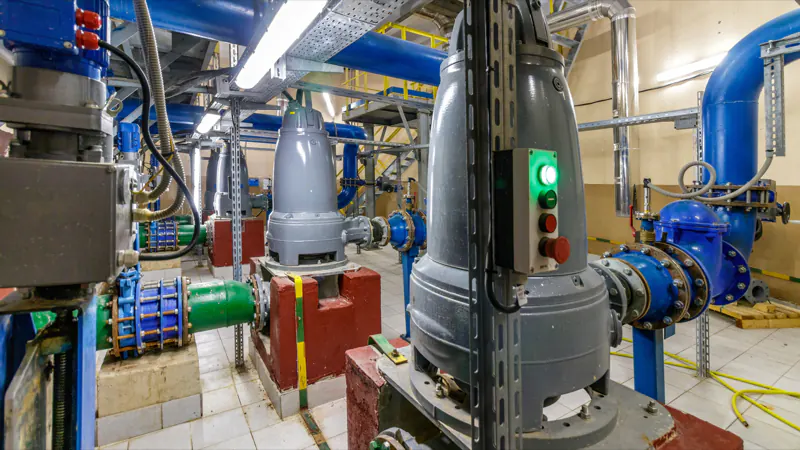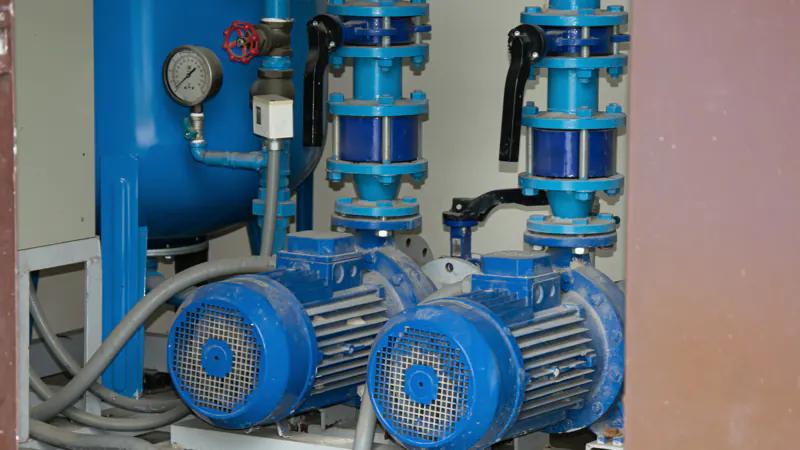
On Long Island and in low-lying parts of New York City, a sump pump is often the only thing standing between groundwater and a basement, whether that's a finished basement in a house or the storage rooms, laundry rooms, garages and boiler rooms under an apartment complex or condo. LA New York Pump repairs, maintains and installs sump pumps and backup systems for property managers, supers, building owners and homeowners across Nassau, Suffolk, the five boroughs and Westchester.
Sump pumps do their most important work during the worst weather, so our focus is making sure yours is ready before the storm, not after it.
What a Sump Pump Does
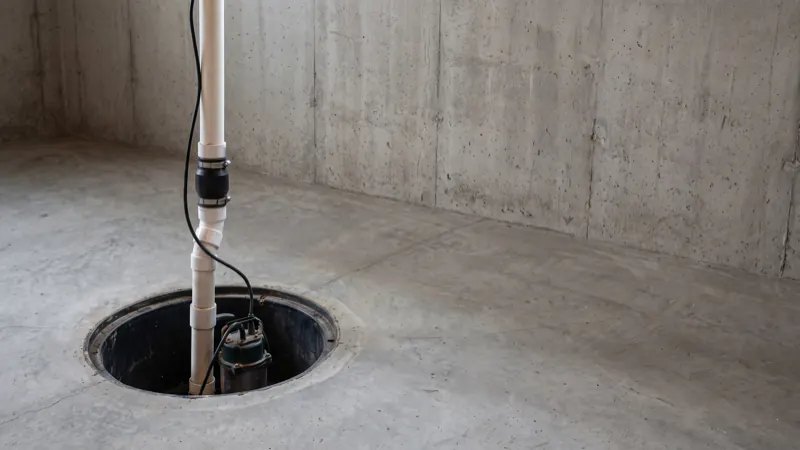
A sump pump sits in a pit, or sump, at the lowest point of a basement or crawlspace. Perimeter drains and under-slab piping collect groundwater and carry it to the pit. When the water reaches a set level, a float switch starts the pump, which sends the water up and out of the building through a discharge line. A check valve keeps the water in that line from falling back into the pit when the pump stops.
Sump pumps handle groundwater and stormwater, not sewage. If your basement has a toilet, shower or laundry below the sewer line, that's a job for a sewage ejector; see our sewage ejector pump services and our article on the difference between the two.
Types of sump pumps
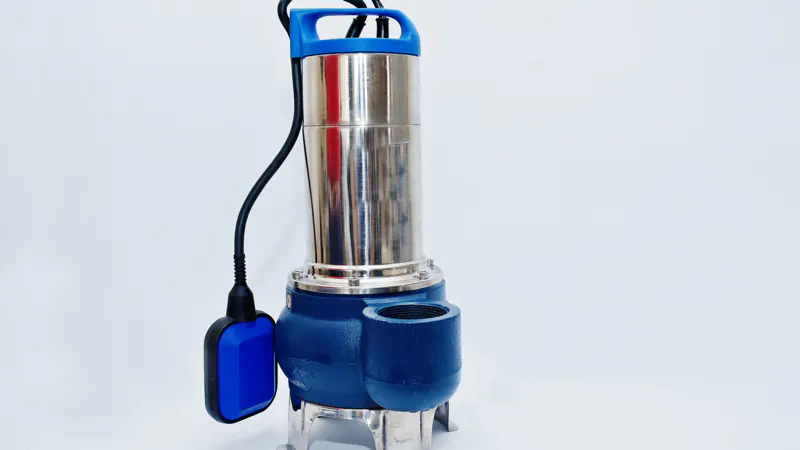
- Submersible pumps sit down in the pit, run quieter and are the usual choice for finished basements.
- Pedestal pumps keep the motor above the pit. They're easy to service but louder, and better suited to unfinished spaces.
- Commercial and duplex systems use heavier-duty pumps, sometimes two in one pit with a control panel and high-water alarm, for garages and large basements.
Why Long Island and NYC Basements Depend on Them
Much of Long Island's South Shore and many coastal neighborhoods in Queens, Brooklyn and Staten Island sit on sandy soil with a high water table, so groundwater rises quickly after heavy rain. Nor'easters, tropical storms and coastal flooding add to that, and many homeowners still remember what Hurricane Sandy did in 2012. In these areas a sump pump may run often for days after a storm, and a pump that fails in the middle of one is the hardest kind of failure to deal with.
It's worth being clear about limits, too. No sump pump can hold back storm surge or floodwater pouring in through doors and windows. What it can do is keep groundwater from rising through the slab, and clear the basement once surface water recedes.
Signs Your Sump Pump Needs Service
- The pump runs constantly, even in dry weather
- It cycles on and off rapidly
- It doesn't start when you pour water into the pit
- It hums without pumping, or makes grinding or rattling noises
- Water stands in the pit above the normal shut-off level
- The outdoor discharge line is frozen, crushed or disconnected
- The battery backup alarm is chirping, or the battery is several years old
- Silt, gravel, debris or a bad odor in the pit
Repair, Maintenance and Installation
Repairs
Most sump pump failures come down to the switch. Tethered floats catch on the pit wall or on the pump's own cord, vertical floats get jammed by debris, and electronic switches fail. We replace floats and switches, check valves that leak or chatter, failed pumps, and discharge piping that has cracked, separated or been routed so water drains back toward the foundation. We also clean out pits that have collected silt and gravel, which can jam an impeller or clog the intake.
Preventive maintenance
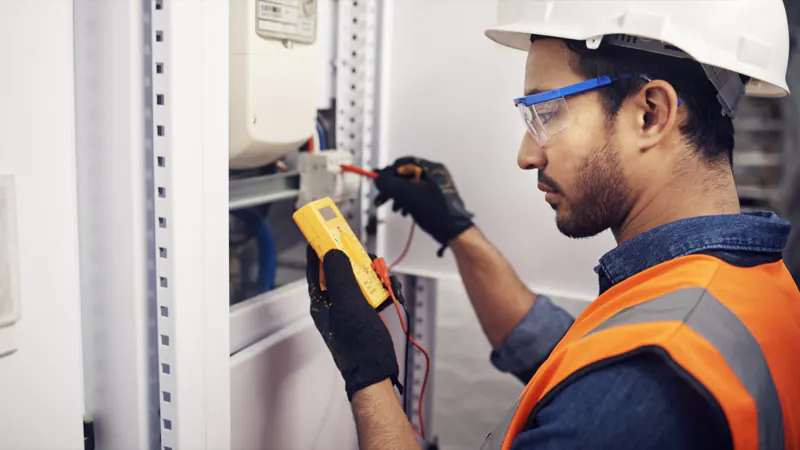
A maintenance visit includes cleaning the pit and the pump's intake screen, testing the switch by raising the water level, inspecting the check valve and discharge line, confirming the outdoor discharge is clear and carries water well away from the house, testing the backup system and alarm, and checking the outlet and circuit. Our sump pump maintenance checklist for Long Island homes covers what homeowners can do between visits.
Installation and replacement
We install new sump pumps and replace failed ones, matching the pump to the inflow and to the height and distance it has to push water. For homes with heavy inflow, a larger pump or a second primary pump may be the right answer. Where sump discharge may go is set by local rules that vary by municipality, and many places don't allow it into the sanitary sewer, so check with your town or city before changing how your discharge is routed.
Backup Sump Pump Systems
The most common reason a sump pump fails during a storm is a power outage. A backup system keeps water moving when the primary pump can't:
- Battery backup pumps use a DC pump powered by a deep-cycle battery, with a charger and an alarm. They work through outages, but run time depends on the battery's size and condition, and batteries need periodic replacement.
- Water-powered backup pumps use municipal water pressure to draw water out of the pit with no electricity. They need adequate city water pressure, use a significant amount of water while running and typically require an approved backflow preventer. They aren't an option for homes on private wells, since the well pump stops in an outage too.
- Generators can keep the primary pump running, as long as the pump's circuit is included.
We can help you choose the right backup for your home or building, install it and test it along with the primary pump.
Equipment We Work On
We service and install submersible and pedestal sump pumps, duplex sump systems with control panels and high-water alarms, battery and water-powered backup pumps, and the floats, check valves and discharge piping that go with them, in houses, multi-family buildings and commercial properties.
For Property Managers and Supers
In a residential complex, a failed sump pump can put water into storage units, laundry rooms, garages and mechanical rooms, often during the same storm that knocks out the power. A few practical steps help:
- Know where every sump pit in your buildings is, and have staff check each one before storm season and after a power outage
- Make sure high-water alarms can be heard, or are monitored by someone who can respond
- Where two pumps share a pit, keep both working so one can carry the load while the other is repaired
- Schedule preventive maintenance before hurricane season and winter, so problems are found on a dry day instead of during a storm
- Ask us to explain the backup and replacement options so you can present them to the owner or board
Read more about how we work with property managers across Long Island, NYC and Westchester, and keep our emergency pump repair line handy for storm nights.
Storm Prep and Our Service Process
Before hurricane season and again before winter, have the pump tested, the backup battery checked and the discharge line cleared and protected from freezing. When we come out, we inspect the pit, pump, switch, check valve, discharge and backup. We discover what's wrong, or what's most likely to fail next, and explain your options. Then we fix it and test the system by filling the pit and watching the pump run through a full cycle.
We serve homeowners and property managers throughout Nassau County, Suffolk County and New York City.
Water rising in the pit, or a sump pump that won't turn on? Call LA New York Pump at (631) 565-9577. We're available 24/7 for emergencies on Long Island, in New York City and in Westchester.