Every pump in a building depends on an electric motor, and when that motor fails, the pump stops no matter how good the rest of the equipment is. Residents feel it as lost water pressure upstairs, no heat or a sump pit that keeps rising. LA New York Pump diagnoses, repairs and replaces the motors on booster, HVAC, sewage, sump and fire pumps, the pump and motor sets that property managers and supers depend on in apartment buildings, condos, co-ops and commercial properties throughout New York City, Long Island and Westchester.
Motor work is about more than swapping out a dead unit. A motor that burned out usually had help: a seal leak, poor alignment, a voltage problem or a pump running far from its design point. We find the cause so the repaired or replacement motor lasts.
Pump Motors in New York Buildings
The motors we work on range from fractional-horsepower single-phase units on residential circulators and sump pumps to large three-phase motors on chilled water, booster and fire pumps. Common arrangements include:
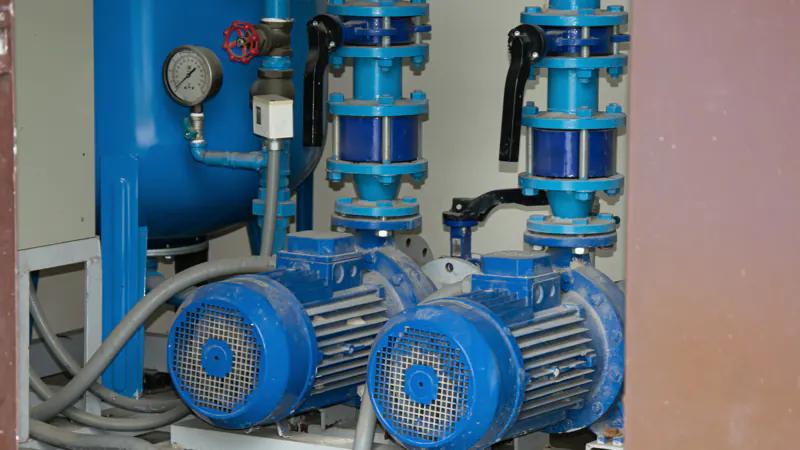
- Close-coupled motors, where the pump impeller mounts directly on the motor's extended shaft
- Frame-mounted motors, connected to the pump through a flexible coupling on a common base
- Vertical motors on inline pumps and vertical turbine pumps
- Submersible motors sealed inside sewage, sump and well pumps
Many multi-family and commercial buildings in the five boroughs have three-phase service at 208 volts, while larger buildings may run motors at 460 volts. Single-phase motors, common in homes, use capacitors and starting switches that are frequent failure points of their own.
Warning Signs of Motor Trouble
- Grinding, squealing or rumbling bearing noise
- A motor that's too hot to touch or smells of burning insulation
- Breakers or overloads tripping at startup or after running a while
- Humming without turning, or slow, struggling starts
- More vibration at the motor or coupling than there used to be
- Current above the nameplate rating, or uneven current between phases
- Water, rust or corrosion on the motor housing
How We Test Pump Motors
Good decisions about a motor start with measurements, not guesses:
- Insulation resistance (megger) testing applies a DC test voltage between the windings and ground to find insulation weakened by heat, moisture or age, often well before it fails outright.
- Winding resistance comparisons between phases reveal shorted turns and loose or burned connections.
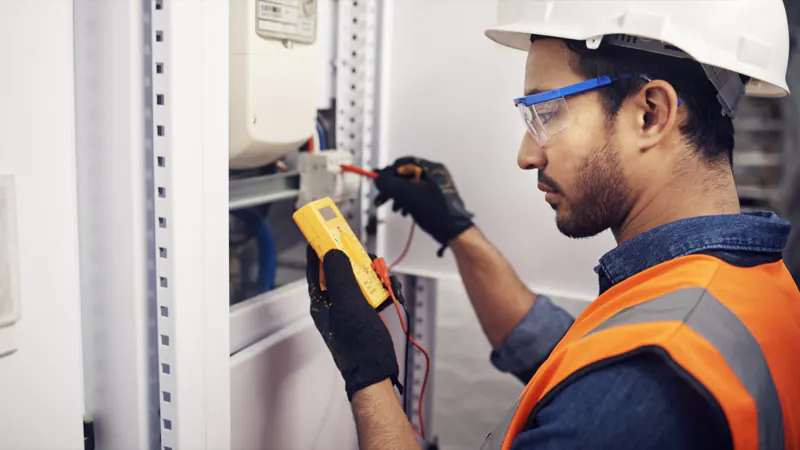
- Running current and voltage on each phase show overloading, single-phasing and supply imbalance. Even a small voltage imbalance produces a much larger current imbalance and extra heat in the windings.
- Vibration and temperature checks point to failing bearings, misalignment and cooling problems.
Common Motor Failures and Their Causes
Bearing failure
Bearings are the most common mechanical failure in pump motors. The usual culprits are misalignment, a worn coupling, too much or too little grease, and water, especially on close-coupled pumps where a leaking seal sprays toward the motor's front bearing. On motors run by VFDs, stray shaft currents can also pit bearing races unless the motor is protected, for example with a shaft grounding device.
Overheating
Motors run hot when they're overloaded by a binding pump or one running off its curve, when voltage is low or unbalanced, when cooling fins and fan covers are packed with dust and lint, or when they sit in a hot boiler room. Frequent starts from a short-cycling system add heat too, and heat is the main enemy of winding insulation.
Winding and insulation failure
Insulation breaks down from accumulated heat, moisture from basement flooding or condensation, and voltage spikes. Losing one phase of a three-phase supply, known as single-phasing, can burn a winding quickly if overload protection isn't sized and set correctly.
Single-phase motor problems
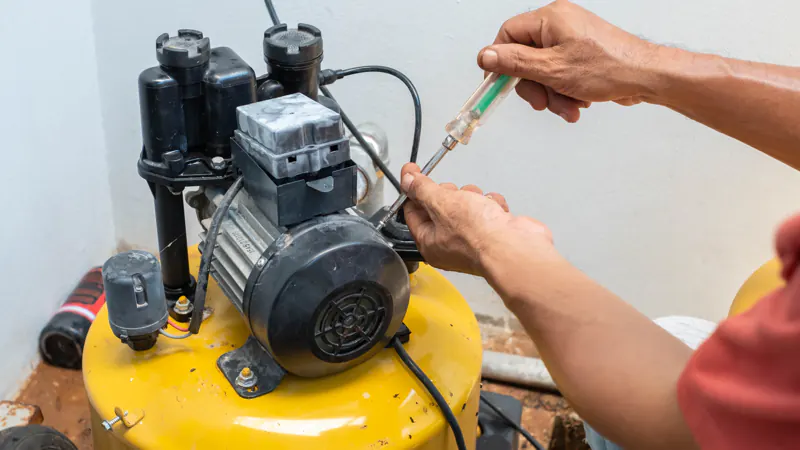
On single-phase motors, failed start or run capacitors and worn centrifugal start switches cause hard starting or humming without turning. Once correctly diagnosed, these are often quick repairs.
Repair, Rewind or Replace?
The right call depends on the motor's size and condition, how specialized it is, how quickly you need the pump back in service, and how efficient the existing motor is. As a general guide:
- Smaller, standard motors are usually replaced, since new motors are readily available and often more efficient.
- Larger motors and special designs, such as close-coupled, vertical or uncommon frame motors, are often worth rewinding or rebuilding at a motor repair shop, provided the core and housing are in good condition.
- When the windings test good, replacing the bearings alone is often worthwhile.
When a rewind makes sense, we handle removal and reinstallation. Our article on pump repair vs. replacement covers the broader decision for the whole pump.
Installation, Alignment and Preventive Maintenance
A replacement motor has to match the pump's frame, shaft, speed, enclosure and voltage, and a motor that will run on a VFD should be suited to inverter duty. After installation we check rotation, align the coupling on frame-mounted pumps, check for soft foot, and verify current and vibration under load. Alignment that's "close enough" is one of the fastest ways to destroy a new set of bearings and seals.
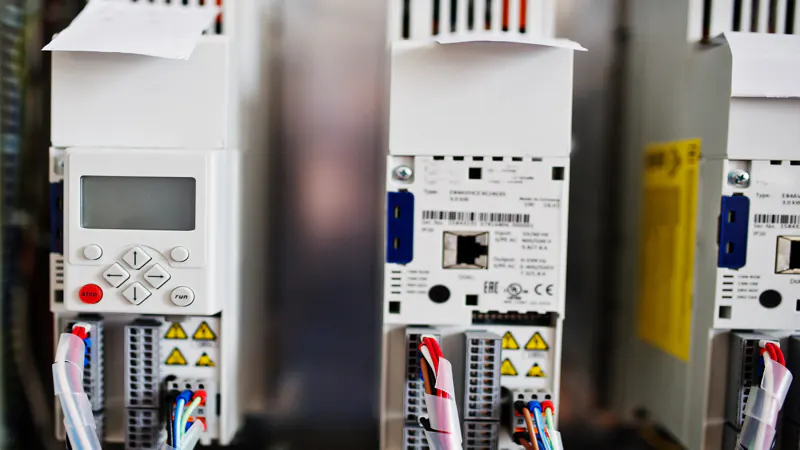
Preventive maintenance includes periodic insulation testing on critical motors, lubricating greaseable bearings on the manufacturer's schedule, cleaning cooling surfaces, checking current and voltage balance, and confirming alignment on base-mounted pumps. Motor problems often show up in the controls first, so we check the starters, overloads and drives at the same time.
Pumps and Motors We Work On
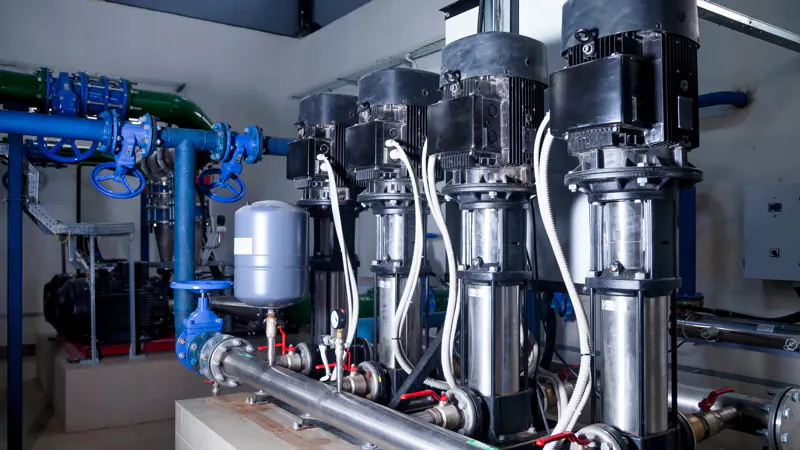
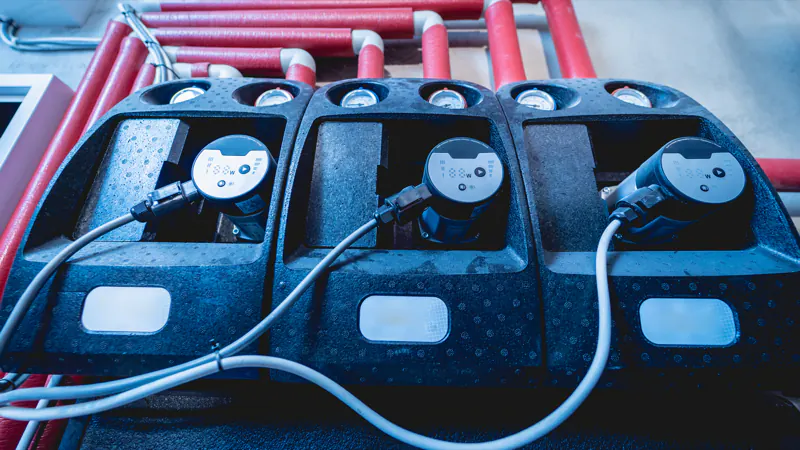
We service the motors on HVAC pumps, water booster pumps and sewage, sump and fire pump systems, from fractional-horsepower single-phase motors to large three-phase motors, in close-coupled, frame-mounted, vertical and submersible configurations.
For Property Managers and Supers
- If a motor keeps tripping, avoid repeated resets; note when it trips and what the panel shows, and call us before the motor is damaged further
- On duplex and triplex systems, we work to keep the other pumps running while a motor is out for repair or rewinding, whenever the setup allows it
- We test before recommending anything, then lay out the repair, rewind and replacement options with their trade-offs in downtime and efficiency, so you can bring a clear recommendation to the owner or board
- Periodic insulation and current checks on critical motors help catch problems before they become emergencies
Learn how we support property managers and building portfolios, or see emergency pump repair if a motor failure has left a building without water or heat.
How a Motor Service Call Works
We inspect the motor, the pump and the electrical supply together. We discover the root cause through testing, then explain whether repair, rewinding or replacement makes the most sense. Finally we fix it, align and run the unit under load, and confirm that current, temperature and vibration are where they should be. We serve buildings across Queens, Nassau County and the surrounding region.
Motor tripping, overheating or grinding? Call LA New York Pump at (631) 565-9577. We're available 24/7 for emergencies across New York City, Long Island and Westchester.