When a heating zone stays cold, radiators gurgle, or the boiler room sounds like gravel is running through the pipes, the circulator pump is one of the first things to check. Most circulator problems come down to a short list of causes: air in the system, low system pressure, a seized or worn rotor, a failed motor or capacitor, a broken coupler, or a control that never tells the pump to run.
Some of these a homeowner or building super can safely check in a few minutes. Others, such as a seized pump, a leaking seal or failing bearings, need a technician with the right tools and parts. Below are the most common symptoms, what usually causes them, and how to decide what to do next.
What a circulator pump does
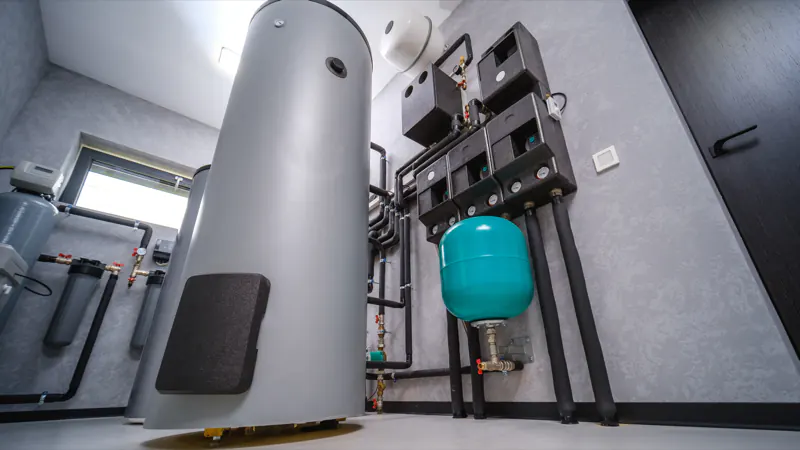
In a hydronic heating system, the boiler heats the water and the circulator moves it through the piping, baseboard, radiators or fan coils and back. Chilled water systems work the same way. Because the loop is closed and full, the pump does not lift water to the top of the building; it only overcomes friction in pipes, valves and coils. That is why circulators are small for the work they do, and why air and pressure problems affect them so much.
You will usually find one of three designs:
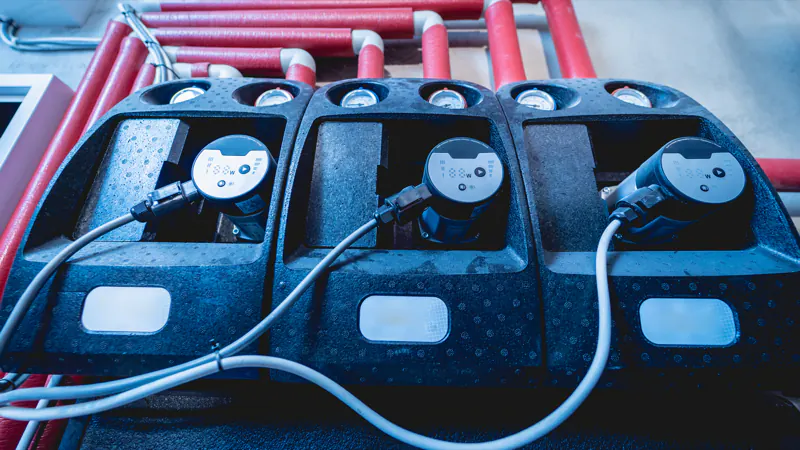
- Wet-rotor circulators: compact, water-lubricated pumps common in homes and small buildings, where the motor's rotor runs in the system water. Many have a replaceable cartridge.
- Three-piece circulators: a motor, a bearing assembly and a pump body joined by a spring coupler, a long-standing design still found in many older boiler rooms.
- Inline and base-mounted pumps: larger pumps with mechanical seals and separate motors, used in apartment buildings, schools and commercial HVAC plants.
The most common circulator pump problems
1. The pump runs, but some zones stay cold
If the motor is running but heat is not reaching part of the system, look for air first. Air collects at high points, especially upper-floor baseboard and radiators, and can block flow completely. Other causes include a closed isolation valve, a stuck flow-check valve, a failed zone valve, a clogged strainer, or a broken coupler on a three-piece pump, where the motor spins but the impeller does not.
2. The pump does not run at all
Start with power and controls. Is the thermostat calling for heat? Is the service switch or breaker on? Is the zone control or relay sending power to the pump? If the pump has power but hums and gets hot without turning, the rotor is probably seized, which is common after summer shutdown when mineral deposits harden around it. On pumps with a run capacitor, a failed capacitor can cause the same hum. A pump that stays cold and silent with confirmed power usually has an open motor winding.
3. Grinding, rattling or "gravel" noise
A gravel sound usually means air in the water or cavitation. Low system pressure is a frequent cause, and so is a pump installed on the wrong side of the expansion tank. Good practice is to "pump away" from the expansion tank connection, so the pump adds pressure to the system instead of pulling it down at its own inlet. Squealing or rumbling points to worn bearings, and clattering on a three-piece pump often means a worn or broken coupler.
4. Leaks around the pump
Drips at the flanges are often dried-out gaskets or bolts that have loosened over many heating seasons. Water at the shaft of a three-piece or base-mounted pump usually means the mechanical seal is failing. A cracked pump body, sometimes from freezing in an unheated space, has to be replaced.
5. Tripping breakers or overheating
A pump that trips its breaker or overload, or is too hot to touch for more than a second, is drawing too much current. Typical causes are failing bearings, a dragging rotor, misalignment on base-mounted pumps, a voltage problem or a failing motor. Do not keep resetting the breaker; repeated trips can damage the motor and wiring.
6. The same pump keeps failing
If you are replacing the same circulator every few seasons, the pump is a symptom, not the cause. Oxygen entering the system, magnetite sludge, a waterlogged expansion tank, a failed air separator or a badly mismatched pump will keep killing new pumps until the root cause is fixed.
Quick reference: symptoms, causes and fixes
| Symptom | Likely cause | Typical fix |
|---|---|---|
| Runs, some zones cold | Air lock, closed valve, broken coupler, stuck flow check | Purge air, open valves, replace coupler or flow check |
| Hums but does not turn | Seized rotor, failed capacitor | Free or replace cartridge, replace capacitor or pump |
| Gravel or rattling noise | Air, low pressure, cavitation | Restore fill pressure, check expansion tank and air separator |
| Squealing or rumbling | Worn bearings | Replace bearing assembly or pump |
| Water at the shaft | Failing mechanical seal | Replace seal, check water quality |
| Trips breaker, runs hot | Bearing drag, motor or voltage problem | Test amps and voltage, repair or replace motor |
What you can safely check yourself
- Confirm the thermostat is calling for heat and the boiler is on.
- Check the circuit breaker or service switch for the boiler and pumps.
- Read the boiler pressure gauge with the system cold. Many homes run around 12 to 15 psi cold, but the right number depends on building height, so check the boiler label or your service records.
- Make sure the isolation valves on both sides of the pump are fully open.
- Carefully touch the pump body. Warm with a light vibration usually means it is running; very hot and humming suggests a seized rotor.
- Bleed air from upper-floor radiators or baseboard vents, if you have manual vents and are comfortable doing it.
- Look for water on the floor, white mineral crust or rust streaks around the flanges.
Safety first: Heating systems run hot and under pressure. Never loosen flange bolts, open a pump body or pull a cartridge while the system is pressurized, and always shut off power before touching wiring. If you are not sure, stop and call a technician.
When to call a professional
Call for service when the pump hums but will not turn, when you see water at the shaft or a cracked body, when breakers trip, or when air keeps coming back after bleeding. Base-mounted and inline pumps in larger buildings also need trained hands: alignment, seal replacement and bearing work are precision jobs. Our HVAC pump repair technicians test amperage and voltage, measure pressure across the pump, and inspect the expansion tank, air separator and controls so the fix lasts. When the motor itself is the problem, we also handle pump motor repair and replacement.
Repair or replace the circulator?
Small wet-rotor circulators are usually replaced as a unit or by swapping the cartridge. Three-piece and base-mounted pumps are built to be rebuilt: seals, bearings, couplers and motors can be replaced individually. If the pump is old, parts are hard to find, or it keeps failing, upgrading to a high-efficiency ECM circulator can make more sense. Our guide to pump repair vs. replacement covers that decision in detail.
Preventive maintenance that avoids most failures
Most circulator failures are preventable. Before each heating season:
- Run each circulator before the first cold night to make sure it has not seized over the summer.
- Verify cold fill pressure and test the expansion tank precharge.
- Confirm the air separator and automatic air vents are working.
- Clean strainers and check the water for sludge or rust.
- Oil older three-piece pumps that have oil cups, following the manufacturer's instructions.
- On larger pumps, check alignment, coupling, seals and vibration.
A waterlogged expansion tank causes pressure swings, relief valve discharge and air problems that show up at the pump, so our expansion and pressure tank services are part of any good heating tune-up. For a full seasonal plan, see how to prepare your pumps for a New York winter.
From two-family homes in Queens to apartment buildings in Manhattan and the Bronx and houses across Long Island and Westchester, we service wet-rotor, three-piece, inline and base-mounted circulators. If a zone is cold, residents are calling about no heat, or a circulator is making noise, call LA New York Pump at (631) 565-9577. We are available 24/7 for no-heat emergencies, and we will inspect, discover and fix the problem so your building stays warm.
Frequently asked questions
How do I know if my circulator pump is bad?
Common signs are cold zones while the boiler is hot, a pump that hums but does not turn, grinding or rattling noise, water around the pump, or a breaker that keeps tripping. A pump that is very hot and humming often has a seized rotor. A technician can confirm the problem with amperage and pressure readings before any parts are replaced.
Can a seized circulator pump be freed?
Sometimes. Mineral deposits that form over the summer can lock a wet-rotor pump, and a technician may be able to free it. A pump that has seized once is likely to do it again, though, and running it while seized can burn out the motor. Replacing the cartridge or the pump is often the more reliable fix.
What pressure should my hot water heating system be at?
Many residential hot water heating systems run at roughly 12 to 15 psi when cold, but the correct pressure depends on the height of the building and the system design, and taller buildings need more. Check your boiler documentation or service records, and call a technician if the pressure keeps dropping or climbs toward the relief valve setting.
Why does my circulator pump keep failing?
Repeated failures usually point to a problem in the system rather than the pump: oxygen entering the water, sludge and magnetite, a waterlogged expansion tank, a failed air separator, or a pump that is the wrong size for the system. Replacing the pump without correcting the cause typically leads to another failure.

We are a family-owned pump repair company serving NYC, Long Island and Westchester. Questions about your pumps? Call (631) 565-9577 any time.