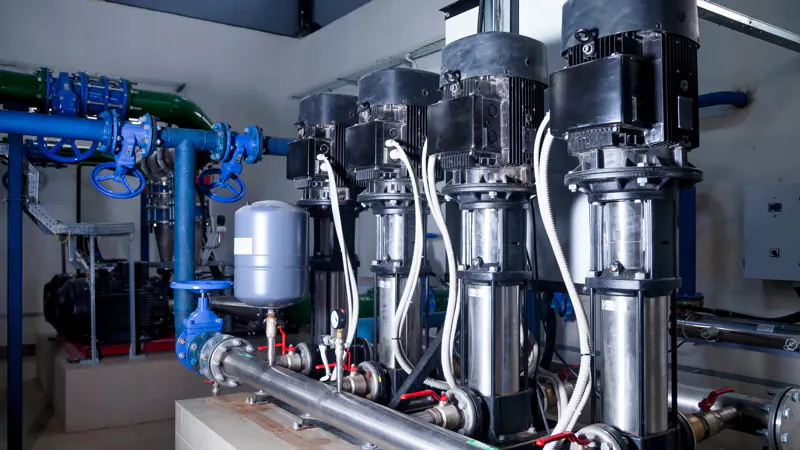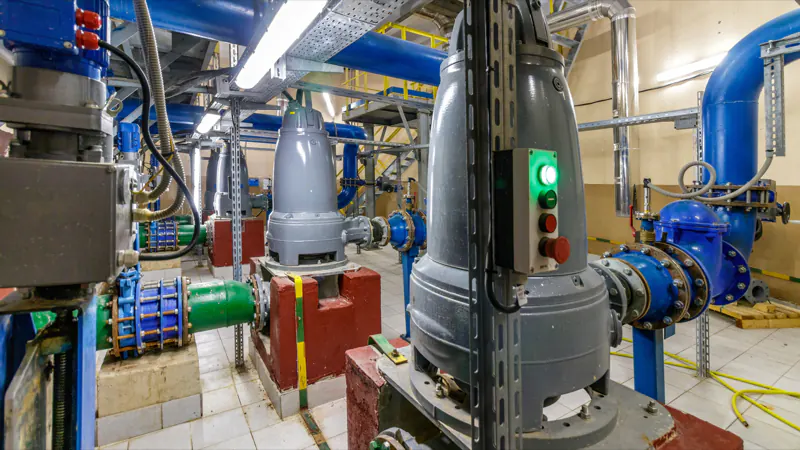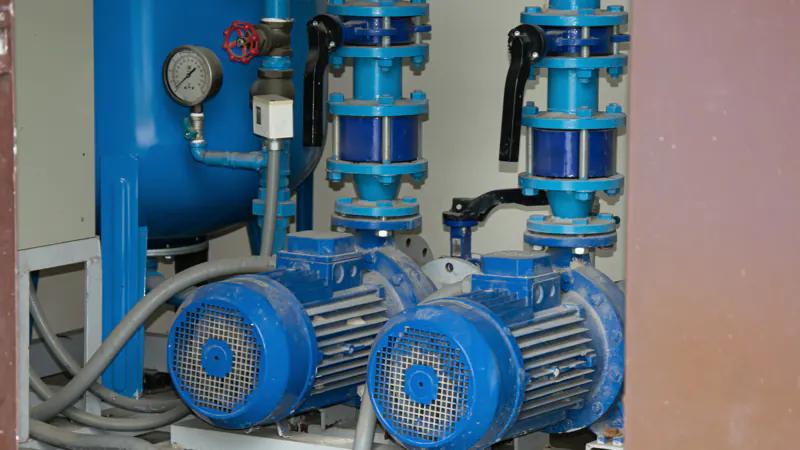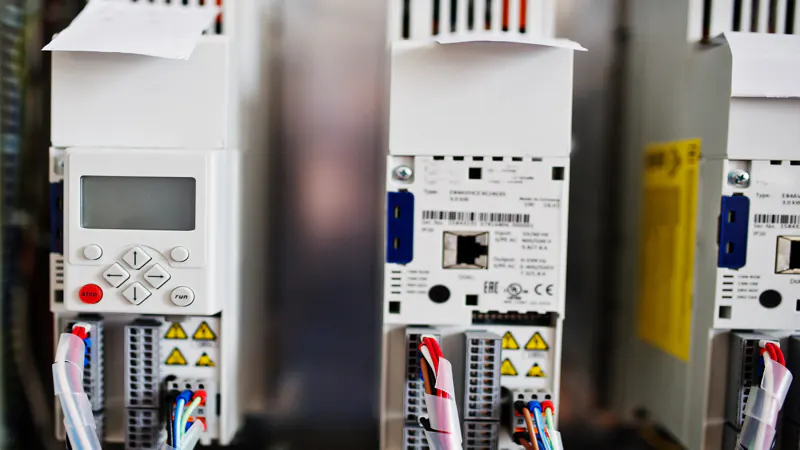
A pump is only as reliable as the controls that tell it when to run. Many calls that reach a property manager as "the pump is down" turn out to be a burned contactor, a stuck float, a drifting pressure transducer or a drive fault. LA New York Pump troubleshoots and repairs pump control panels, variable frequency drives (VFDs), switches and alarms for the booster, sewage, sump and HVAC pump systems in apartment buildings, condos, co-ops and commercial properties across New York City, Long Island and Westchester.
Because we're pump technicians first, we look at the controls and the pump together, so a bad sensor doesn't get blamed on the pump, or the other way around.
What's Inside a Pump Control Panel
Depending on the system, a pump control panel may include:
- Disconnects and circuit protection: the main switch, breakers or fuses
- Motor starters: a contactor that switches the motor on and an overload relay that trips it off if it draws too much current for too long
- Variable frequency drives: which ramp the motor up and down and vary its speed to hold a pressure or flow setpoint
- Hand-Off-Auto selector switches with run and fault lights
- An alternator or controller that rotates the lead and lag pumps on duplex and triplex systems
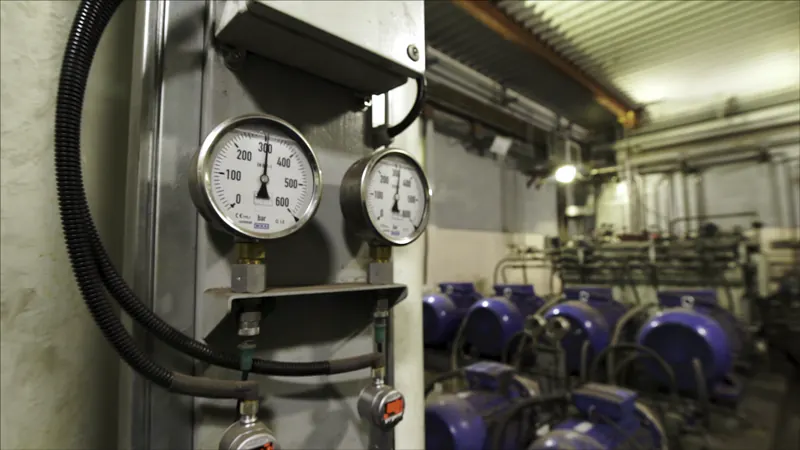
- Level and pressure inputs: float switches, pressure switches, and pressure or level transducers that send an analog signal
- Alarms: horns, strobes and dry contacts that report high water, pump failure or low pressure
Older panels rely on relays and mechanical switches; newer packaged systems use a programmable controller with a display. We work on both.
Signs Your Pump Controls Need Attention
- A pump runs in Hand but not in Auto
- Overloads or breakers trip repeatedly
- Contactors chatter, buzz or show burned contacts
- A burning smell, discolored wiring or a panel that's hot to the touch
- The VFD shows a fault code or keeps resetting
- Pumps don't alternate, so one does all the work
- Alarms sound for no reason, or don't sound when they should
- Pressure hunts up and down instead of holding steady
- Rust, condensation or water inside a basement panel
Common Control Problems and Their Causes
Float and level switch failures
In sewage and sump basins, floats get coated with grease, tangled with each other or pinned by debris, and their switch contacts and cords wear out over time. When floats operate out of sequence, the panel can call the wrong pump or miss a high-water condition entirely.
Pressure switches and transducers
On booster and tank systems, a pressure switch with a clogged sensing port or a drifting transducer feeds the controller bad information. The pumps then short cycle, run constantly or hold the wrong pressure. Replacing the sensor and confirming setpoints against a calibrated gauge usually resolves it.
Starters, contactors and overloads
Contacts pit and burn a little with every start, which is why short-cycling pumps wear out their contactors so quickly. Overload relays may be set wrong for the motor, or they may be doing exactly their job and tripping on a motor that is genuinely overloaded. That's why we check motor current and insulation before resetting or adjusting anything.
VFD faults
Overcurrent, overvoltage, ground fault and overtemperature faults each point somewhere different: a binding pump, a supply problem, damaged motor insulation or wiring, or a drive with a failed cooling fan or a heat sink clogged with dust. Drives in hot boiler rooms and damp basements are especially vulnerable. To learn more about how drives work, see our article on VFD pump controls and energy savings.
Moisture and corrosion
Panels in pump rooms and basements are exposed to humidity, leaks and occasional flooding. Corroded terminals cause intermittent faults that are hard to trace. Where conditions call for it, we recommend enclosures rated for wet or corrosive locations.
Repair, Maintenance and Upgrades
Repairs include replacing contactors, overload relays, control relays, alternators, selector switches, pilot lights, alarm horns and strobes, float switches, pressure switches and transducers; diagnosing and replacing VFDs; and tracing and correcting control wiring faults.
Preventive maintenance covers inspecting for heat damage and loose connections, checking contactor wear, testing every float and alarm, verifying alternation, confirming setpoints, cleaning drive filters and heat sinks, making sure drive cooling fans run, and keeping a record of drive and controller parameters so settings can be restored quickly after a failure.
Upgrades and replacements include replacing obsolete relay-logic panels with modern controllers, adding VFDs to constant-speed booster and HVAC pumps, adding alarms and remote notification, and replacing panels damaged by water. Where an upgrade requires new power wiring beyond the pump panel, we'll explain what's involved up front.
Building management system (BMS) integration basics
Most pump panels can report to a building management system. At the simplest level, dry contacts tell the BMS whether each pump is running and whether there's a fault or high-level alarm. Many modern controllers and drives can also share data such as pressure, speed and fault history over a communication protocol like BACnet or Modbus. We can identify which points your panel can provide and work with your controls contractor to get them connected.
Systems We Support
We service controls for water booster pump systems, sewage ejector and sump systems, boiler feed and condensate units, and HVAC pumps, from relay-logic panels and standalone drives to the packaged controllers supplied with booster, ejector and sump systems. Fire pump controllers are a specialized, listed product; see our fire pump services page for that equipment.
How We Troubleshoot
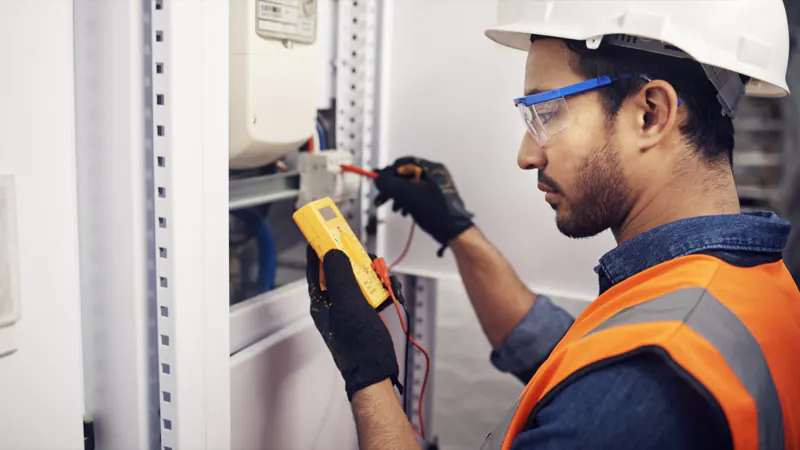
Electrical troubleshooting rewards patience. We inspect the panel with the equipment safely locked out, then restore power and test the circuit step by step. We discover the failed component and, just as important, why it failed; a contactor burned up by short cycling needs the short cycling fixed too. Then we fix it, test the system in both Hand and Auto, simulate alarm conditions and confirm alternation before handing it back.
For Property Managers and Supers
- Leaving a pump in Hand to get through the night is a short-term measure only; call us so it can be put back in Auto safely
- Before you call, note any fault codes, alarm lights and selector switch positions; that information helps us arrive prepared
- When one pump's starter or drive fails on a duplex or triplex system, we work to keep the other pumps in service during the repair, when the panel design allows it
- We test alarms and alternation during maintenance, so you know the high-water and pump-fail alarms will sound when they should
- When a panel is obsolete or water-damaged, we explain the repair and upgrade options in terms you can take to the owner or board
We support property managers, supers and building engineers in the Bronx, Suffolk County and throughout the region. Learn more about how we work with property managers and building portfolios, or see emergency pump repair if a building has lost a pump system tonight.
Pumps stuck in Hand, an alarm that won't clear or a drive showing a fault? Call LA New York Pump at (631) 565-9577. We're available 24/7 for emergencies in New York City, Long Island and Westchester.