If tenants on the upper floors are calling about weak showers, or your booster pumps sound, cycle or run differently than they used to, the system is warning you. Most booster pump failures announce themselves weeks before a building actually loses water: pressure drifts, a seal starts to weep, a bearing gets noisy or the controller starts throwing alarms. Catching those signs early is usually the difference between a scheduled repair and a no-water emergency at 6 a.m.
Below are the seven warning signs we see most often in New York City apartment buildings, co-ops and offices, what typically causes each one, what a superintendent can safely check, and when to call for service.
How a Building Booster System Works
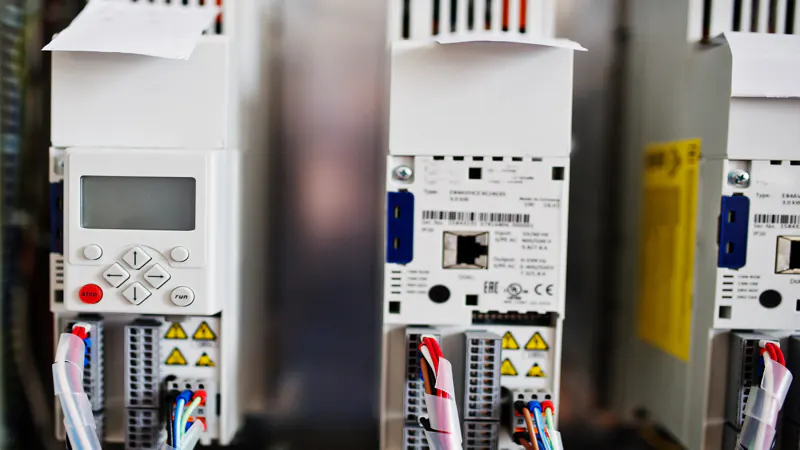
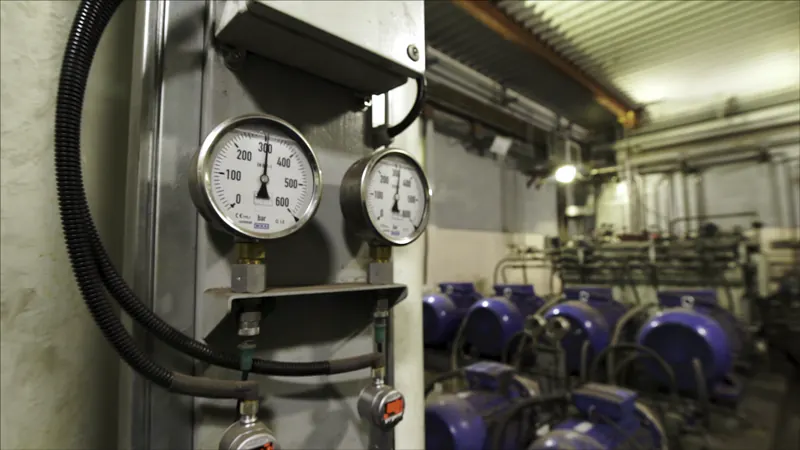
City water main pressure is usually only strong enough to carry water up the first several floors of a building. Above that, a booster system takes over. A typical package includes two or three pumps in a lead/lag arrangement, a controller or variable frequency drive (VFD) that runs them based on a pressure transducer, check valves, a small pressure tank that absorbs swings in demand, and suction and discharge gauges. Many older NYC buildings use house pumps that fill a rooftop tank instead; those pumps fail in many of the same ways.
1. Low or Fluctuating Pressure on Upper Floors
This is usually the first complaint: weak flow on the top floors during the morning rush, showers that swing hot and cold, or slow-filling toilets, while the lower floors seem fine.
Common causes include worn impellers or wear rings, a failing pressure transducer that feeds the controller a false reading, a clogged suction strainer, a partially closed valve, or one pump in a duplex or triplex that has quietly failed, leaving the other unable to keep up at peak demand. Low incoming city pressure can also be the culprit, so check the suction gauge, not just the discharge. If upper-floor pressure has always been marginal, read our guide on why upper floors lose water pressure.
2. Pumps Short Cycling or Running Nonstop
A healthy booster system starts, runs and rests in a steady rhythm. Two patterns signal trouble:
- Short cycling: pumps start and stop every few seconds or minutes, even at night when demand is low. The usual suspects are a waterlogged pressure tank or incorrect tank pre-charge, a leaking check valve that lets pressure bleed back, or a faulty pressure switch or transducer.
- Running constantly: the pump never reaches its setpoint and never rests. That points to a worn pump, a leak somewhere in the building (running toilets and leaking risers add up fast) or a VFD whose low-flow shutdown isn't working.
Short cycling is more damaging than it looks: every start sends a surge of current through the motor windings and wears the starter contacts, so a pump that starts hundreds of extra times a day can burn out years early. Our article on pressure tank problems and short cycling explains how to diagnose the tank side of the problem.
3. New Noises: Grinding, Screeching, Rattling or Humming
When the pump room starts sounding different, pay attention:
- Grinding or screeching usually means worn motor or pump bearings.
- A rattling, gravel-like sound is often cavitation: vapor bubbles forming and collapsing inside the pump because suction pressure is too low, the strainer is clogged or the pump is running far from its design point. Cavitation pits impellers quickly.
- Humming without turning can mean a seized pump, a failed start capacitor on a single-phase motor or a lost phase on a three-phase motor. Don't keep restarting it.
- Banging in the piping when a pump shuts off often points to a slamming or failed check valve.
4. Water Leaking at the Pump
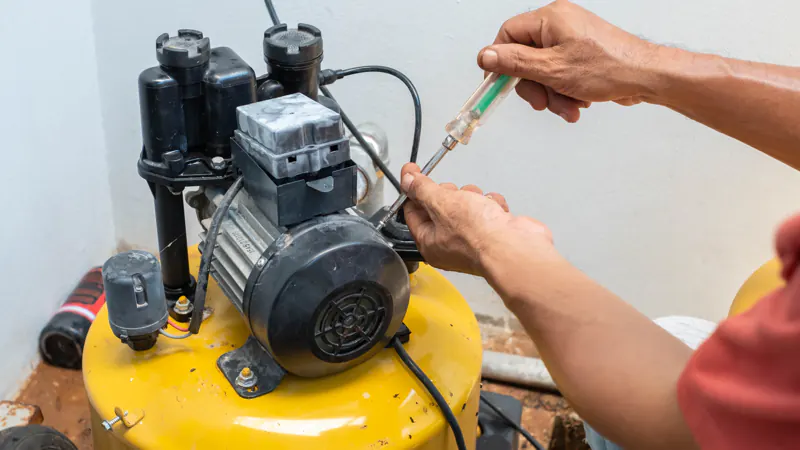
Most modern booster pumps use mechanical seals, and a mechanical seal should not drip. A steady leak between the pump and motor means the seal faces are worn, cracked or have run dry. Left alone, the leak gets worse, water finds its way toward the motor, and a routine seal replacement turns into a bearing or motor job. Also check flanges, gaskets and tank connections.
5. Tripped Breakers, Overloads or Fault Codes
A motor that keeps tripping its overload or breaker is drawing too much current. Causes include failing bearings, a binding impeller, voltage imbalance between phases, a winding fault or a pump forced to work far outside its curve. On VFD systems you may see overcurrent, overvoltage, overtemperature, sensor or dry-run (loss of suction) faults.
Resetting once to restore water is understandable. Resetting repeatedly is how motors and drives get destroyed. Write down the exact fault code, the time and what the building was doing, and have the cause found. That information makes control panel and VFD troubleshooting much faster.
6. Excessive Vibration or Heat
Motors run warm by design, but a burning smell, discolored paint or one motor running noticeably hotter than its partner is a warning. Vibration you can feel through the base or piping often comes from coupling misalignment on base-mounted pumps, worn bearings, loose mounting bolts, failed vibration isolators or an impeller thrown out of balance by debris. If the motor itself is the problem, it may need pump motor repair rather than a whole new pump.
7. Pumps Not Alternating, or Rising Energy Bills
Duplex and triplex systems alternate the lead pump so wear is spread evenly. If the same pump always runs, either the alternation logic or the other pump has failed, and you may have no backup when you need one.
A gradual rise in electricity use is subtler. Worn pumps run longer to move the same water, and VFD systems sometimes end up running in bypass at full speed after a drive fault.
Quick Reference: Symptoms, Causes and Urgency
| Symptom | Likely causes | Urgency |
|---|---|---|
| Weak pressure on top floors | Worn pump, failed transducer, one pump down, clogged strainer | Schedule service soon |
| Short cycling | Waterlogged tank, leaking check valve, faulty switch or sensor | Schedule soon; motor wear builds daily |
| Grinding or screeching | Worn bearings | Schedule soon |
| Rattling, gravel-like noise | Cavitation, low suction pressure, clogged strainer | Schedule soon |
| Steady leak at the seal | Worn or damaged mechanical seal | Schedule soon; urgent if spraying |
| Repeated trips or fault codes | Motor, power supply or control problem | Urgent |
| No water above a certain floor | Pump, motor or control failure | Emergency |
What a Superintendent Can Safely Check
A few observations will help a technician find the problem faster:
- Record suction and discharge pressures alongside the controller setpoint, ideally at the same time each day.
- Photograph or write down any alarm or fault code before resetting anything.
- Confirm the isolation valves on each pump are fully open and the selector switches are in Auto.
- Look for drips at the seals, wet spots under the pumps and water at tank fittings.
- Note whether the pumps alternate and how often they start when the building is quiet.
- If the pumps run nonstop, check vacant units and common areas for running toilets or leaks.
Tip: Keep a simple pump room log of pressures, run hours and alarms. A few weeks of readings often reveal a problem before it becomes a failure.
Leave anything inside the control panel to a qualified technician. Booster systems typically run on three-phase power, and seal and bearing work, coupling alignment, VFD programming and hydropneumatic tank service require the right tools and training.
When It's an Emergency
Call right away if the building has no water above a certain floor, all pumps are down, water is flooding the pump room, you smell burning insulation, or a breaker trips again immediately after being reset. If it's safe to do so, shut down the affected pump.
Booster pump down? LA New York Pump answers emergency calls 24/7. Call (631) 565-9577.
Get Ahead of the Failure
Our technicians service house pumps and packaged booster systems, from constant-speed duplex sets to triplex VFD skids, for property managers and supers in buildings from Manhattan high-rises to garden apartments on Long Island and in Westchester. Our approach is simple: we inspect, discover and fix the root cause instead of just resetting the alarm. Learn more about our water booster pump repair and maintenance.
If you've noticed any of these seven signs, don't wait for the next no-water call from a tenant. Call LA New York Pump at (631) 565-9577 to schedule an inspection.
Frequently asked questions
Is low pressure on the top floors always a booster pump problem?
Not always. Low incoming city pressure, a clogged suction strainer, a partially closed valve, a failing pressure reducing valve or a faulty pressure transducer can all cause it. Comparing the suction and discharge gauge readings with the controller setpoint is the quickest way to narrow it down before a technician arrives.
Can I keep resetting my booster pump when it trips?
Resetting once to restore water is reasonable, but repeated trips mean the motor or drive is protecting itself from a real problem such as failing bearings, a binding impeller or a power issue. Write down the fault code and call for service; resetting over and over can destroy the motor or VFD.
Why do my booster pumps run at night when nobody is using water?
Something is drawing pressure down. Common causes are running toilets, leaking risers or fixtures, a check valve that no longer seals, or a waterlogged pressure tank that cannot hold pressure between demands. Watching the discharge gauge with the pumps off is a simple way to see how quickly pressure drops.
How often should a building booster pump system be serviced?
It depends on the size of the building, how hard the pumps work and the age of the equipment, but most systems benefit from scheduled preventive maintenance that checks seals, bearings, controls, sensors and tanks. Regular service catches small problems before they turn into a no-water emergency.

We are a family-owned pump repair company serving NYC, Long Island and Westchester. Questions about your pumps? Call (631) 565-9577 any time.