Boilers, chillers and cooling towers get most of the attention, but none of them can heat or cool a building without the pumps that move water and condensate through the system. LA New York Pump repairs, maintains and replaces HVAC pumps for property managers, supers and building owners, from the circulators and condensate pumps in apartment buildings, co-ops and condos to base-mounted chilled water pumps in Manhattan high-rises and small circulators in Long Island homes.
When a heating pump fails in January, no-heat and no-hot-water complaints reach the management office within hours; when a chilled water pump fails in July, it's the same story with cooling. Our job is to find the real problem quickly and get heat or cooling back with as little disruption to residents as possible.
HVAC Pumps We Work On
Hydronic heating circulators
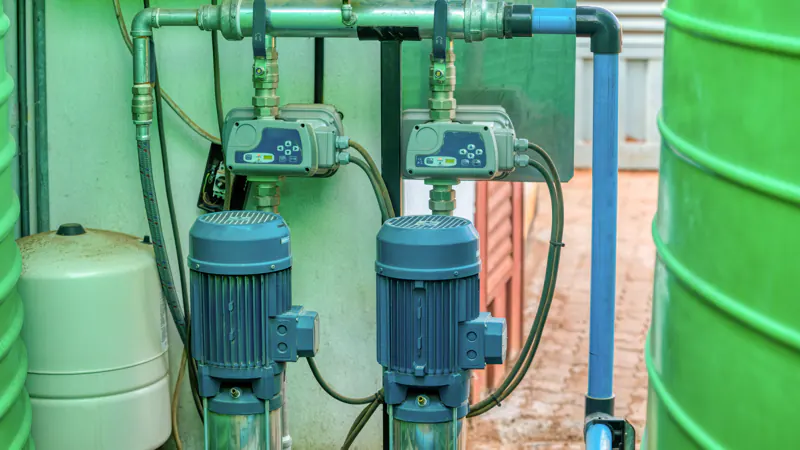
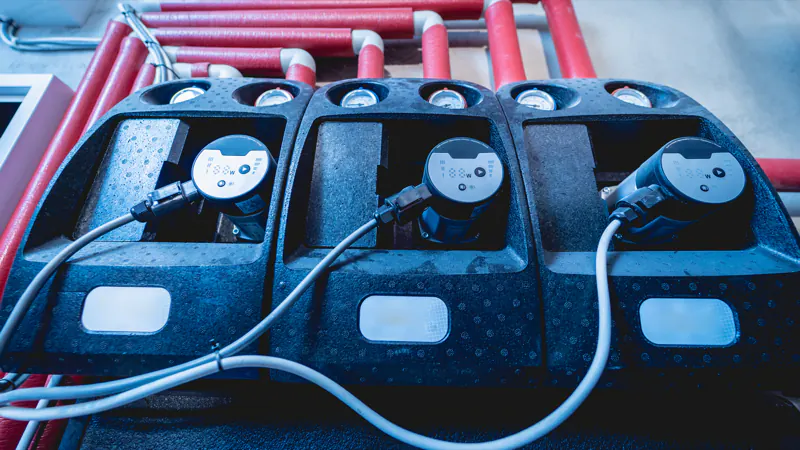
Hot-water heating systems use circulators to push heated water from the boiler through baseboard, radiators, fan coils or radiant loops. Homes and small buildings typically have small wet-rotor circulators, where the motor's rotor runs in system water, or three-piece circulators with a separate motor, coupler and bearing assembly. Larger buildings use inline or base-mounted pumps, often one per zone or in lead/standby pairs.
Steam boiler feed and condensate return pumps
Many older buildings in the Bronx, Brooklyn and Manhattan still heat with steam. As steam condenses in the radiators, condensate returns to a receiver tank, and a condensate pump sends it back to the boiler. On larger systems, a boiler feed unit holds a reserve of water and feeds the boiler on demand from the boiler's water level control. When these pumps fail, the boiler can run low on water and shut down on its low-water cutoff, or condensate can overflow onto the boiler room floor.
Chilled water and condenser water pumps
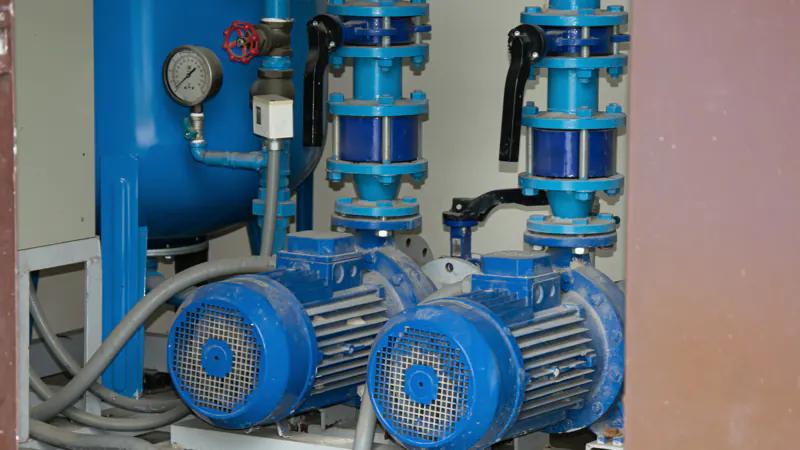
Commercial cooling systems use chilled water pumps to circulate water between the chiller and the air handlers or fan coils, and condenser water pumps to move water between the chiller and the cooling tower. These are usually end-suction base-mounted or horizontal split-case pumps, often on variable frequency drives, and they run long hours through the cooling season.
Signs an HVAC Pump Needs Service
- Some zones or floors heat or cool while others don't
- Gurgling, rushing water or whining noises in the piping
- A pump that hums but doesn't turn, or is too hot to touch
- Water dripping from a pump seal or a puddle under the pump
- Grinding, squealing or rumbling from bearings or the coupling
- A steam boiler tripping on low water, or a condensate receiver overflowing
- Rising vibration on base-mounted or split-case pumps
- Low-flow alarms on a chiller or boiler
Our article on common HVAC circulator pump problems walks through several of these symptoms in more depth.
Common Problems and Their Causes
| Problem | What usually causes it |
|---|---|
| Circulator won't start in the fall | Rotor stuck by mineral deposits or sludge after sitting idle all summer, a failed capacitor or a failed motor |
| Leaking mechanical seal | Debris or sludge in the system water, dry running, poor water treatment, misalignment or normal wear |
| Noisy bearings | Misalignment, a worn coupling, improper lubrication or water reaching the bearing from a seal leak |
| Broken coupler on a three-piece circulator | Worn motor mount or a pump that has seized, often after a hard start |
| Condensate pump cavitating | Condensate returning too hot, often because failed steam traps are passing live steam |
| Poor flow or no heat on upper floors | Air in the system, low fill pressure, a failed expansion tank, a worn impeller or a closed or failed valve |
System pressure problems often start with the expansion tank rather than the pump. Our expansion and pressure tank services cover that side of the system.
Repair, Maintenance and Replacement
Repair
We replace mechanical seals, bearings, couplings and coupler assemblies, impellers and wear rings; free up or replace seized circulators; rebuild condensate and boiler feed pumps and replace their float switches; and correct shaft alignment on base-mounted and split-case pumps with precision alignment tools. Misalignment is one of the most common hidden causes of repeated seal and bearing failures, so we check it whenever a frame-mounted pump has been opened up or its motor replaced. Motor problems are handled through our pump motor services.
Preventive maintenance
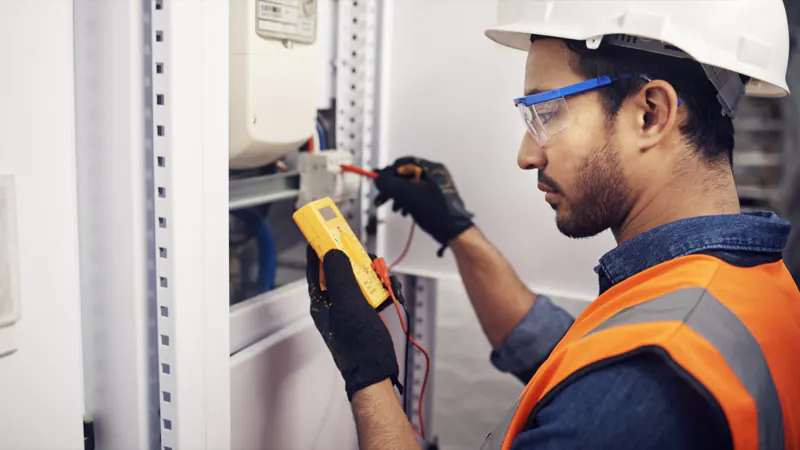
Maintenance before the heating and cooling seasons is the best defense against mid-season failures. We check for seal weeping, assess bearing condition, inspect couplings and alignment, lubricate where the design calls for it, check motor current, record suction and discharge pressures, clean strainers, check air vents and expansion tank charge, and test float switches and alarms on condensate and boiler feed units.
Installation and replacement
When replacement makes more sense than repair, we select pumps for the system's actual flow and head, not simply to match the old nameplate. Upgrades can include high-efficiency ECM circulators on smaller systems, variable speed control on larger pumps, and new condensate and boiler feed units to replace worn-out receivers. For domestic hot water recirculation, where the pump handles fresh potable water, we use bronze or stainless steel pumps rather than cast iron.
Pump Types and Configurations
We work on the equipment already installed in your building: wet-rotor and three-piece circulators, inline pumps, close-coupled and frame-mounted end-suction pumps, horizontal split-case pumps, and packaged condensate and boiler feed units, whether they run alone, in lead/standby pairs or in parallel.
For Property Managers and Supers
- Where heating or chilled water pumps are installed in lead/standby pairs, we work to keep one pump carrying the load while the other is repaired, when the piping and valves allow it
- Pre-season maintenance in late summer and spring is the best way to avoid no-heat or no-cooling calls in the first cold snap or heat wave
- In steam buildings, we check condensate and boiler feed pumps together with the steam traps that often cause their failures
- We explain whether a pump should be rebuilt or replaced, and why, so you can report clearly to the owner or board
- The same company can handle heating, booster, sewage and sump pumps across the buildings you manage
See how we work with property managers and building portfolios. For a no-heat call at night or on a weekend, go to emergency pump repair.
Our Approach: Inspect, Discover, Fix
An HVAC pump problem is often a system problem in disguise. A seal that keeps failing may point to a water treatment issue; a "bad circulator" may really be an air-bound loop. We inspect the pump and the system around it, discover the root cause, and fix it properly, then verify flow, pressures and temperatures before we leave. Ahead of each heating season, our guide on how to prepare your pumps for a New York winter makes a good starting checklist.
We service HVAC pumps throughout New York City, including Manhattan, as well as Long Island and Westchester County.
No heat, no cooling or a pump that's leaking or grinding? Call LA New York Pump at (631) 565-9577. We're available 24/7 for emergencies throughout New York City, Long Island and Westchester.