Upper floors lose water pressure mainly because of height. Every foot that water has to climb costs about 0.433 psi, so a typical story of roughly 10 feet costs more than 4 psi before friction in the pipes is even counted. When the pressure coming from the street, a roof tank or an existing pump system cannot make up that loss at peak demand, the top floors get weak showers, slow-filling toilets and flush valves that do not flush properly.
A correctly sized and well-maintained booster pump system fixes this by adding enough pressure to serve the highest fixture while demand rises and falls throughout the day. But low pressure upstairs is not always a pump problem. Closed valves, failed pressure-reducing valves, waterlogged tanks and corroded risers cause similar symptoms, so it pays to diagnose before the owner or board approves new equipment.
Why height costs pressure
A column of water one foot tall exerts about 0.433 psi at its base; put the other way, it takes about 1 psi to push water 2.31 feet higher. Here is a simple example: if water enters a building at 50 psi and the top-floor fixture is 60 feet above the meter, about 26 psi is used up by height alone, leaving roughly 24 psi before losses through the meter, backflow preventer, piping, valves and the fixture itself. On a busy morning, with many fixtures open at once, those friction losses grow and the top floors feel it first.
In New York City, a commonly cited rule of thumb is that street pressure alone serves buildings up to about six stories. Taller buildings typically rely on a roof tank, a booster pump system, or both.
How taller buildings get water upstairs
Roof tank (gravity) systems
Many older New York buildings use house pumps to fill a roof tank, controlled by float switches or level controls, and let gravity feed the building. Pressure at any fixture depends on how far it sits below the water in the tank. That creates a well-known problem: the top one or two floors, sitting just below the tank, get very little pressure. A fixture 15 feet below the tank sees only about 6.5 psi, which is why top floors in tank buildings often need a small dedicated booster pump. A tank that is running low because of a failing fill pump or level control makes everything worse.
Booster pump systems
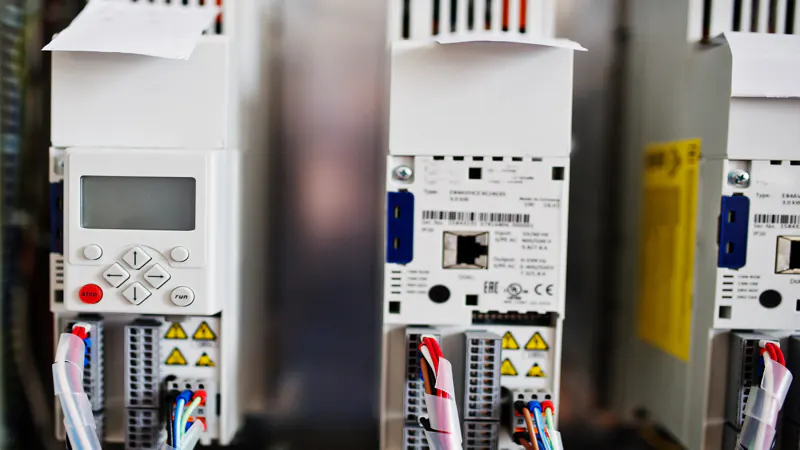
Modern packaged booster systems use two or three pumps, a controller and, in most cases, variable speed drives that hold a steady discharge pressure as demand changes. A small hydropneumatic tank covers very low demand so the pumps are not starting and stopping constantly, and the controller alternates pumps to even out wear. Very tall buildings are divided into pressure zones so lower floors are not over-pressurized while upper floors get enough. We work on these packaged systems as well as the older house pump and roof tank setups they often replace.
Common causes, by symptom pattern
| What you notice | Likely cause |
|---|---|
| Top floors weak at morning and evening peaks | Booster system cannot keep up: pump out of service, worn impellers, setpoint too low, undersized system |
| Only the top one or two floors in a roof-tank building | Not enough height between the tank and the fixtures; a top-floor booster is usually needed |
| Sudden drop across the building | Pump failure, tripped controls, closed valve, failed tank level control or a utility issue |
| Pressure surges and drops, pumps cycling | Waterlogged pressure tank, failing pressure switch or transducer, poorly tuned drive |
| Hot water weak, cold water fine | Mixing valve, water heater or heat exchanger restriction, scale in hot water piping |
| One apartment or one riser only | Partly closed riser valve, failed pressure-reducing valve, clogged cartridges or aerators |
| Slowly getting worse over years | Scale and corrosion in old galvanized risers, pump wear, added demand |
Booster system problems
A booster system can lose capacity gradually as impellers wear, or suddenly when a pump, check valve, pressure transducer or controller fails. A pump left in "Off" or "Hand" after service, or a lead pump that has quietly stopped, can leave the system short at peak demand. Booster systems connected to the street supply typically include low-suction-pressure protection that shuts the pumps down when incoming pressure drops too low; if it trips often, the cause may be on the supply side. Our list of signs your water booster pump needs repair covers the warning signs in more detail.
Tank and control problems
A hydropneumatic or pressure tank that has lost its air charge makes pumps short-cycle and pressure swing, which residents notice as a shower that keeps changing. Sensors and controllers that drift out of calibration can also hold the system below the pressure it was designed for.
Plumbing problems that look like pump problems
Partly closed valves after a repair, failed pressure-reducing valves, clogged strainers and old galvanized risers narrowed by scale all reduce pressure without any pump fault. A bigger pump will not fix a restriction; it will only push harder against it.
What a superintendent can check first
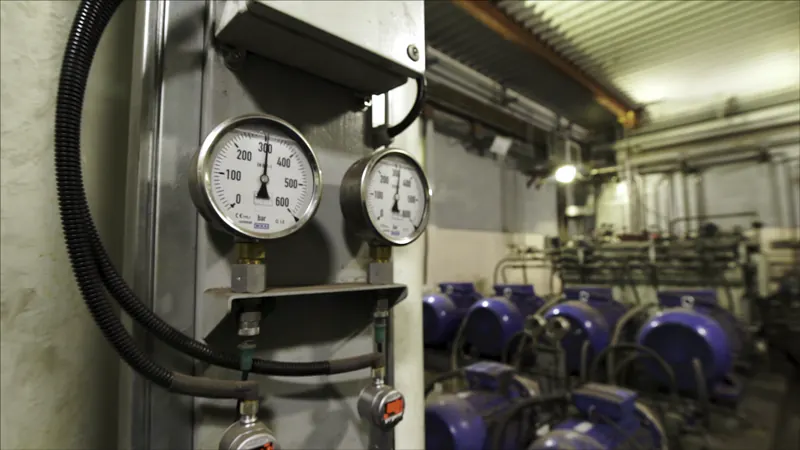
- Read the booster discharge gauge and compare it with the setpoint on the controller.
- Confirm every pump is in Auto, and write down any alarm codes on the panel.
- Note when the problem happens, which floors and lines are affected, and whether it is hot water, cold water or both.
- If the building has a roof tank, check the tank level and whether the house pumps are filling it.
- Make sure riser and branch valves are fully open, especially after recent plumbing work.
- Watch the pressure tank and pumps: rapid on-off cycling suggests a waterlogged tank or a control problem.
- Clean the aerator or showerhead in an affected unit to rule out a fixture issue.
Tip: A hose-thread pressure gauge on a top-floor laundry or slop sink faucet, read at the same time as the booster discharge gauge during peak hours, tells a technician a lot. Log the readings for a few days before you call.
How a booster pump fixes it, when it is sized correctly
A booster system should be sized from the building's real needs: the peak flow in gallons per minute based on fixtures and occupancy, the minimum pressure required at the highest fixture, the height of the building, friction losses through the piping, and the lowest suction pressure the system will see. A system that is too small cannot keep up at peak; one that is too large wastes energy, causes pressure surges and cycles more than it should. Variable speed systems are the most common choice today because they hold a steady pressure and slow down when demand drops at night. Our article on VFD pump controls explains how that works.
Whether you need a new system or a repair, our water booster pump services cover diagnosis, rebuilds and replacement. Our pressure tank services and pump control services handle the tanks, transducers and controllers that keep pressure steady.
Codes and approvals
Changes to a building's water supply involve plumbing code requirements such as backflow prevention and low-suction-pressure protection, and in New York City they may also involve the Department of Buildings and the Department of Environmental Protection. Requirements vary by building and project, so confirm specifics with a licensed plumber and the authority having jurisdiction before work begins.
We serve apartment and commercial buildings across Manhattan, Brooklyn, Queens and the Bronx, as well as multi-story buildings on Long Island and in Westchester. If you are a property manager, super or owner and residents on the upper floors are calling about low pressure, call LA New York Pump at (631) 565-9577. We are available 24/7, and we will inspect, discover and fix the cause.
Frequently asked questions
How much water pressure is lost per floor?
Water loses about 0.433 psi for every foot it rises, so a typical 10-foot story costs a little over 4 psi from height alone. Friction in the meter, backflow preventer, pipes, valves and fixtures adds more, especially when many fixtures are open at once. That is why the top floors are the first to notice weak pressure at peak times.
Will a booster pump fix low water pressure on upper floors?
It will when the cause is not enough pressure to overcome the building height and peak demand, and when the system is sized correctly. A booster pump will not fix a partly closed valve, a failed pressure-reducing valve or risers narrowed by scale. Diagnose the cause first, then size the system from the building's real flow and pressure needs.
Why is only the top floor weak in a building with a roof tank?
In a gravity tank system, pressure at a fixture depends on how far it sits below the water in the tank. The top one or two floors are only a short distance below the tank, so they get very little pressure, often just a few psi. A small dedicated booster pump for those floors is a common solution.

We are a family-owned pump repair company serving NYC, Long Island and Westchester. Questions about your pumps? Call (631) 565-9577 any time.