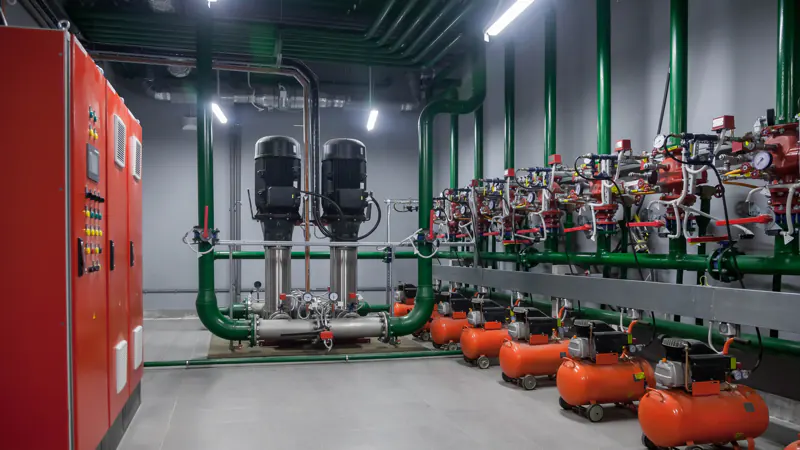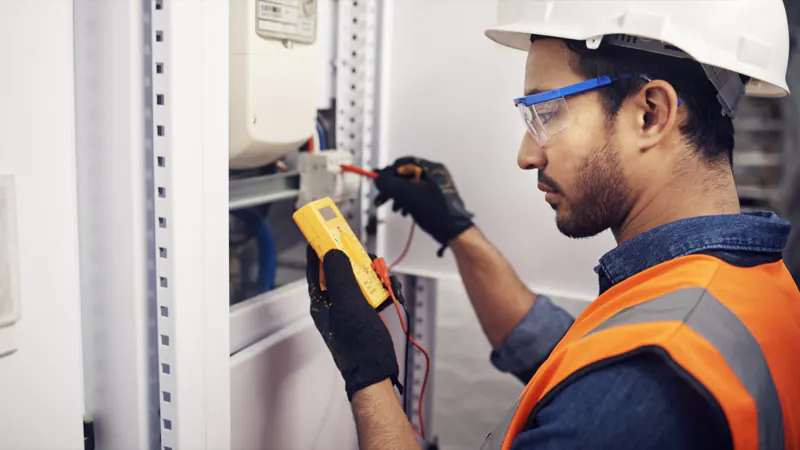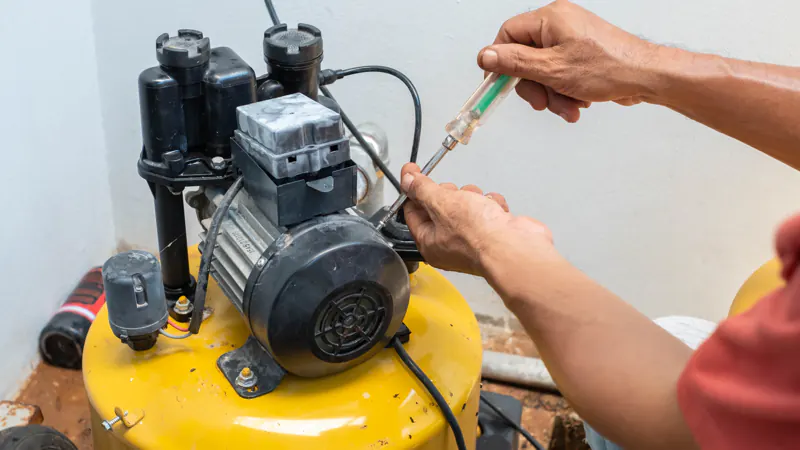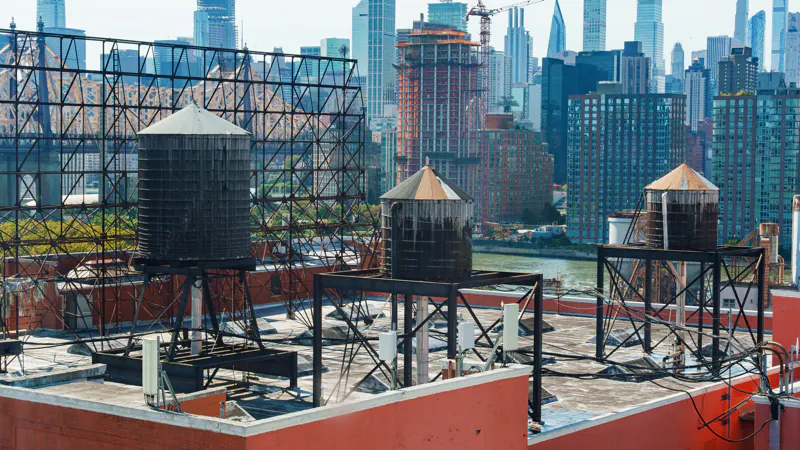
When a resident calls to say there's no water on the top floor, the basement is flooding or the radiators are cold, the problem usually lives in the building's pump room. LA New York Pump is a family-owned pump repair company that works with property managers, superintendents and boards of apartment buildings, condos, co-ops and HOA communities across New York City, Long Island and Westchester.
We repair, maintain and replace the pumps, motors and controls behind those complaints, and we explain what we find in terms you can take straight to owners and boards. One company, one phone number, available 24/7 for emergencies.
The Pump Problems Behind Resident Complaints
Residents don't call about pumps. They call about water, heat, smells and alarms. Here is what is usually behind the complaints that land on your desk.
No water or low pressure upstairs
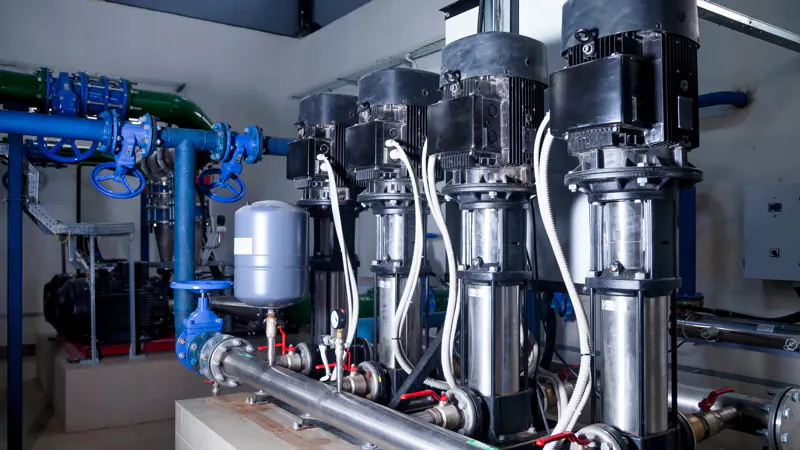
Upper floors depend on domestic water booster pumps or roof tank house pumps. A worn pump, a failed pressure sensor, a stuck valve or a pump locked out on its controller can leave the top of the building with a trickle while the lower floors seem fine. See our water booster pump services and our guide to why upper floors lose water pressure.
Sewage backups in the basement
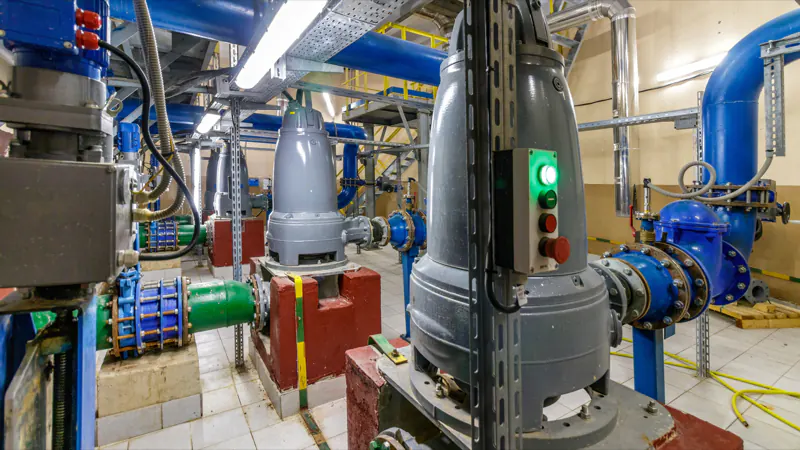
Basement bathrooms, laundry rooms and below-grade units drain to a sewage ejector basin. When the pump clogs, often with wipes, or a float sticks, waste backs up. See our sewage ejector pump services.
Flooded basements, garages and pits
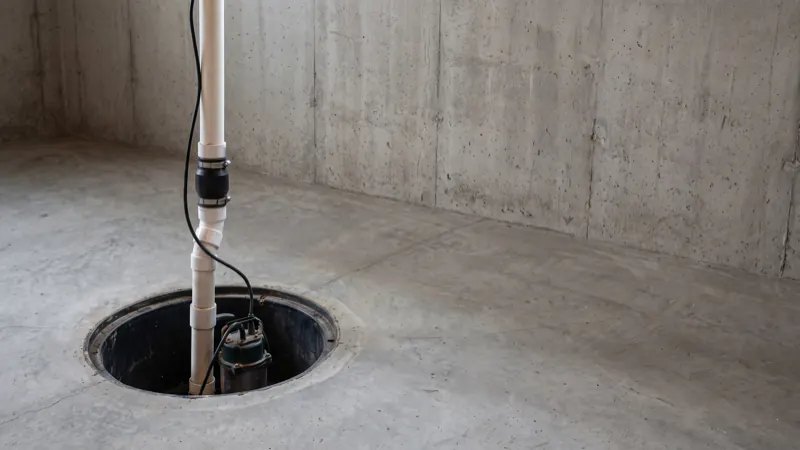
Sump pumps hold back groundwater and storm water. A failed float, a worn-out pump or a backup system nobody has tested tends to reveal itself during the worst storm of the season. See our sump pump services.
No heat or no hot water
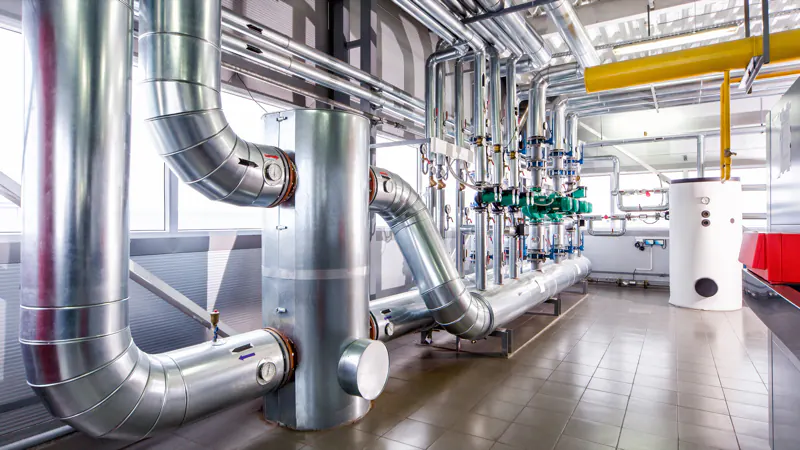
Heating circulators, steam condensate and boiler feed pumps, and hot water recirculation pumps keep heat and hot water moving through the building. A seized circulator or a failed condensate pump can shut a boiler down or leave whole lines of apartments cold. We handle these through our HVAC and boiler pump services.
Fire pump alarms and inspection findings
A fire pump controller in alarm, a jockey pump that won't stop cycling or a deficiency noted after an inspection needs prompt attention. Our fire pump services cover fire pumps and jockey pumps, including support during testing.
Controls, VFDs, tanks and motors
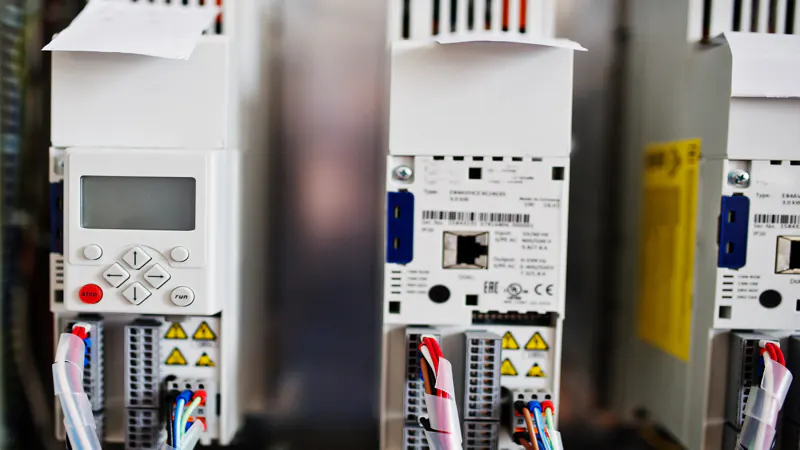
Many failures aren't the pump itself. Tripped VFDs, failed float switches, waterlogged pressure tanks and motors that overheat or trip their breakers cause the same symptoms. We troubleshoot pump controls, pressure and hydropneumatic tanks and pump motors as part of the same system.
Resident Complaints and Where They Usually Start
Use this as a quick reference when a complaint or work order comes in.
| Resident complaint | Likely pump system | Where to start |
|---|---|---|
| No water or weak pressure on upper floors | Domestic water booster pumps or roof tank house pumps | Water booster pump services |
| Pressure that surges, or pumps that start and stop constantly | Hydropneumatic or pressure tank, pump controls | Pump tank services |
| Basement toilets or drains backing up, sewer odor | Sewage ejector pump | Sewage pump services |
| Water in the basement, garage or elevator pit | Sump pump | Sump pump services |
| Cold radiators or no heat in part of the building | Heating circulator, condensate or boiler feed pump | HVAC pump services |
| Hot water slow to arrive or lukewarm upstairs | Domestic hot water recirculation pump | HVAC pump services |
| Fire pump trouble on the alarm panel, jockey pump cycling | Fire pump, jockey pump or fire pump controller | Fire pump services |
| Pump humming, tripping its breaker or smelling hot | Pump motor | Pump motor services |
| Alarm light on a pump panel or a VFD fault code | Control panel, VFD, floats or pressure switches | Pump control services |
| Sprinkler supervisory alarm in an unheated garage | Air compressor for a dry-pipe sprinkler system | Air compressor services |
How We Work With Property Managers
One call, 24/7
Our phone line is available 24/7 for emergencies, so you or your super can reach us at 2 a.m. when an alarm goes off or residents lose water. Our emergency pump repair page explains what to do while you wait.
Inspect, discover, fix
We start with what residents and staff are reporting, inspect the whole system, find the root cause and fix it with your approval. Replacing a part without understanding why it failed is how the same work order shows up again next month.
Findings you can take to owners and boards
We explain what we found, what caused it and your options in plain language: what a repair involves, when replacement makes more sense and why. That gives you what you need to report to owners or get a decision from the board. Our article on pump repair vs. replacement covers the factors we weigh.
Keeping residents in service
Where the setup allows, we work to keep at least one pump running while another is repaired, so residents keep their water, heat and drainage. When a shutdown can't be avoided, we explain why so you can plan around it and notify residents.
Preventive maintenance
Most emergencies give warning signs first: a weeping seal, a noisy bearing, a pump that runs longer than it used to, a tank that has lost its charge. Regular maintenance visits catch those problems while they are still repairs rather than emergencies.
One company across your portfolio
We serve all five boroughs, Nassau and Suffolk counties on Long Island, and Westchester County. Whether your buildings are in Brooklyn, the Bronx, Nassau County or spread across the region, you deal with one family-owned pump company. See our full list of service areas.
Signs Your Building's Pumps Need Attention
- Repeated resident complaints about low water pressure, especially on upper floors or at peak hours
- Pumps that start and stop every few seconds, or run when nobody is using water
- One pump in a duplex or triplex system locked out, leaving the others to carry the full load
- Leaks at pump seals, water under the pump skid or rust streaks on the pump casing
- New grinding, rattling or humming noises from the mechanical room or boiler room
- High-water alarms on sewage or sump basins, even if they clear on their own
- Breakers or overloads that trip, or motors that run hotter or louder than they used to
- Fire pump or jockey pump trouble signals, or open items from an inspection
- Equipment nobody has looked at since the last emergency
Tip: Ask your super to keep a simple log near the pumps: the date, gauge readings, which pump is in the lead and any alarms. A few weeks of readings helps us spot a trend and pinpoint a problem faster.
Getting Started
Call us or send a message through our contact page with the building, the system involved and what residents are reporting, whether it's an emergency, a recurring problem or equipment you want checked before the next season.
Managing a building with a pump problem right now? Call LA New York Pump at (631) 565-9577, available 24/7 for emergencies across NYC, Long Island and Westchester.