If your New York City building relies on a fire pump to supply its sprinklers or standpipes, that pump has to be inspected, run and tested on a regular schedule, and the results have to be written down. The core routine comes from NFPA 25, the national standard for maintaining water-based fire protection systems: a no-flow "churn" test weekly for diesel-driven pumps and, in most cases, monthly for electric pumps, plus an annual flow test that measures the pump's real performance against its rated curve. In the city, these obligations are enforced by FDNY under the NYC Fire Code, which can add local requirements of its own.
This guide explains what those tests involve, how diesel and electric pumps differ, what records to keep and the warning signs that a fire pump needs repair. It's a general overview, not a compliance plan for your building. Always confirm specific requirements with FDNY, the authority having jurisdiction (AHJ), and your fire protection professionals.
Why So Many NYC Buildings Have Fire Pumps
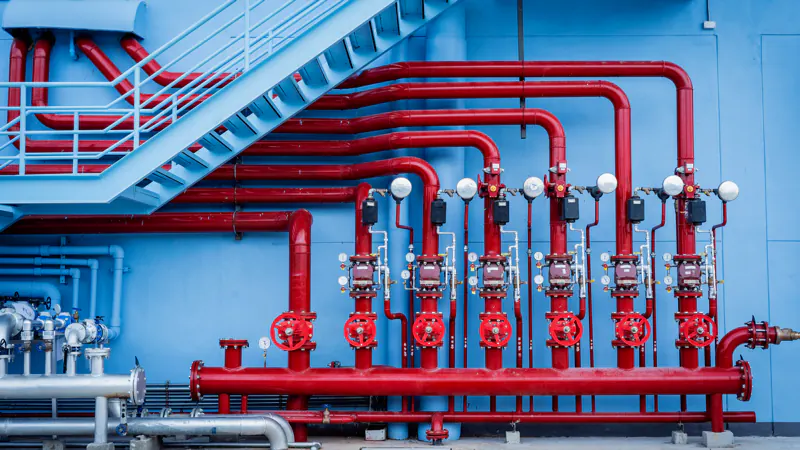
A sprinkler or standpipe system has to deliver a specific flow at a specific pressure to the most demanding point in the building. In taller buildings and some large low-rise properties, city water pressure can't do that alone, so a fire pump boosts it when the system calls for it. A typical installation includes:
- The fire pump itself: horizontal split-case, end-suction, vertical in-line or vertical turbine.
- A driver: an electric motor or a diesel engine.
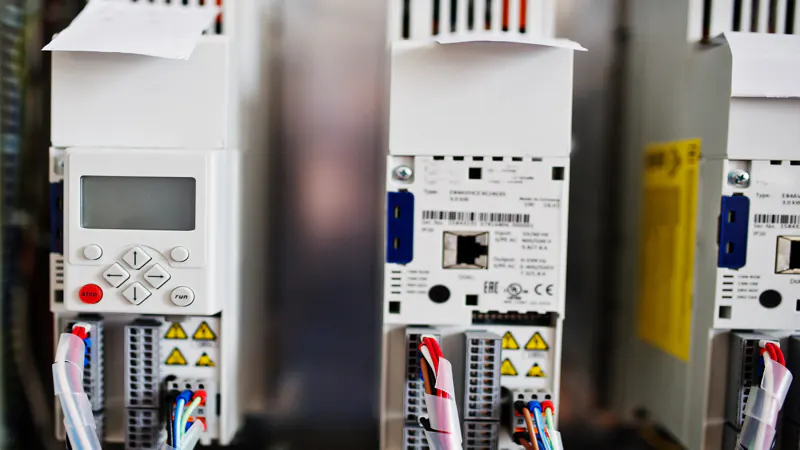
- A listed fire pump controller that starts the pump automatically when system pressure drops.
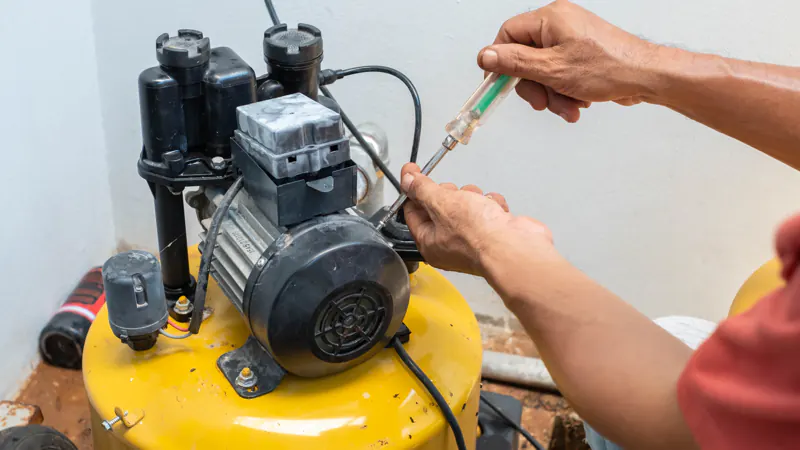
- A jockey (pressure maintenance) pump that keeps the system pressurized and makes up for small leaks.
- Valves, gauges, relief valves and a test header or flow meter for performance testing.
The Core NFPA 25 Routine
Routine Visual Inspections
NFPA 25 calls for frequent visual checks of the pump room and equipment, weekly for many items, and they're usually done alongside the churn test. A good inspection confirms:
- The pump room is heated to at least 40°F, and warmer where a diesel engine has no engine heater.
- Suction, discharge and bypass valves are open and properly secured or supervised.
- There are no unusual leaks from piping, valves, seals or packing.
- Suction and discharge pressure gauges read normally.
- The controller shows power available with no alarms, and any transfer switch is in its normal position.
- On diesel pumps, the fuel tank is at least two-thirds full, the controller is in automatic, battery voltage and chargers are normal, oil and coolant are at the right levels and the jacket water heater is working.
No-Flow (Churn) Tests
A churn test starts the pump and runs it without flowing water out of the system, apart from the small flow some pumps need to keep from overheating. It proves the pump starts automatically, comes up to speed and runs steadily. Under current editions of NFPA 25:
- Diesel engine-driven pumps are run weekly for at least 30 minutes.
- Electric motor-driven pumps are generally run monthly for at least 10 minutes. Certain installations, including some pumps serving high-rise buildings, still require weekly runs, and the edition and local amendments your AHJ enforces matter.
During the run, the person conducting the test records suction and discharge pressures, watches for unusual noise, vibration or overheating, confirms that packing glands drip slightly on pumps with packing, and checks that any circulation relief valve is discharging. Diesel engine readings such as oil pressure, coolant temperature and time to reach running speed are logged as well. Ideally, the pump is started by a simulated pressure drop, the same way it would start in a fire.
The Annual Flow Test
Once a year, the pump is tested under real load. It is run at no flow, at rated flow (100 percent) and at peak flow (150 percent of rated), with water discharged through a test header and hose streams or measured through a flow meter. At each point, the tester records flow, suction and discharge pressures and speed, plus voltage and current on electric units. The results are compared with the manufacturer's certified pump curve, the original acceptance test and previous years' results.
If performance has fallen off beyond what NFPA 25 allows, the cause must be found and corrected. Worn impellers and wear rings, obstructed suction, partially closed valves and driver problems are common culprits. The annual test is also when the controller, alarms and, where the pump has an alternate power source, the transfer between sources are exercised. In the city, plan ahead for where the test water will go.
Diesel vs. Electric Fire Pumps: What's Different
| Item | Diesel engine-driven | Electric motor-driven |
|---|---|---|
| Churn test | Weekly | Monthly in most cases; weekly for certain installations |
| Minimum churn run time | 30 minutes | 10 minutes |
| Power source | Its own fuel supply and two sets of starting batteries, independent of building power | Utility power; some buildings also need an alternate source, such as a generator with a transfer switch |
| Extra inspection points | Fuel level and condition, batteries and chargers, oil, coolant, jacket water heater, exhaust | Controller power and phase indicators, transfer switch, motor current and voltage |
| Common trouble spots | Weak batteries, fuel problems, cooling system issues, failed starts | Controller components, motor bearings, power supply problems |
The Jockey Pump: Your Early Warning System
The jockey pump keeps the system at pressure so the main fire pump doesn't start for minor leaks. A jockey pump that starts frequently points to a leak in the sprinkler or standpipe system, a leaking check valve, or a problem with the jockey pump or its pressure settings. If the main fire pump starts on its own with no fire and no test underway, system pressure has dropped or the jockey pump has failed. Both deserve prompt attention.
Records and FDNY Oversight
- Keep written records of every inspection and test: the date, who performed it, readings, problems found and corrective action. Keep them on site and available for FDNY inspectors.
- Use qualified personnel. FDNY requires certain inspection, testing and maintenance tasks on fire protection systems to be performed or supervised by people holding the appropriate FDNY Certificate of Fitness, and some work must be done by licensed contractors. Confirm what applies to your building.
- Treat an out-of-service pump as an impairment. Impairment procedures can include notifying FDNY, your insurer and occupants, and arranging a fire watch. Follow FDNY's requirements.
- Trend your data. Comparing weekly or monthly readings over time often reveals problems long before the annual test does.
Warning Signs Your Fire Pump Needs Repair
- The pump fails to start automatically on a pressure drop, or is slow to start.
- Churn or flow test pressures are lower than previous results.
- Packing leaks excessively, or doesn't drip at all and runs hot.
- Unusual noise, vibration or hot bearings during a run.
- The diesel engine is hard to start, or shows low oil pressure, high coolant temperature or battery failures.
- The controller shows alarms such as power failure, phase reversal or failure to start.
- The jockey pump short cycles or runs constantly.
Packing, seals, bearings, coupling alignment, impeller wear, controller components and drivers are repairs best handled before the next scheduled test. Our fire pump services cover repair and maintenance of fire pumps, jockey pumps and their drivers, and our technicians also handle pump controls and pump motor repair.
Tip: Don't let cold weather sneak up on your pump room. A room that drops below the required temperature can freeze piping and keep a diesel engine from starting. Our guide to preparing pumps for a New York winter covers what to check.
When a Fire Pump Problem Is an Emergency
A fire pump that won't start, fails its churn test or shows a controller trouble alarm is a life-safety problem. Follow your building's impairment procedures and get the pump repaired as quickly as possible.
Fire pump down or failed a test? LA New York Pump is available 24/7. Call (631) 565-9577.
Keep Your Fire Pump Ready
From Manhattan residential towers, co-ops and condos to commercial and light-industrial buildings across the boroughs, Long Island and Westchester, we work on horizontal split-case, end-suction, vertical inline and vertical turbine fire pumps, along with their jockey pumps and drivers. Property managers, supers and building owners can call LA New York Pump at (631) 565-9577 to schedule repair or maintenance before the next inspection.
Frequently asked questions
How often does a fire pump need to run?
Under current editions of NFPA 25, diesel fire pumps are run weekly for at least 30 minutes, and electric fire pumps are generally run monthly for at least 10 minutes, with weekly runs still required for certain installations. Every fire pump also needs an annual flow test. Confirm the schedule for your building with FDNY.
What is a fire pump churn test?
A churn test, also called a no-flow test, starts the fire pump and runs it without flowing water out of the system. It proves the pump starts automatically, reaches speed and runs smoothly, while the tester records pressures and checks for noise, vibration, overheating and leaks.
Who is allowed to inspect and test a fire pump in NYC?
FDNY requires certain inspection, testing and maintenance tasks on fire protection systems to be performed or supervised by people holding the appropriate FDNY Certificate of Fitness, and some work must be done by licensed contractors. Requirements depend on the building and the task, so confirm with FDNY or your fire protection professional.
What happens if a fire pump fails its annual flow test?
The cause has to be found and corrected. Common causes include worn impellers or wear rings, obstructed suction, partially closed valves and driver or controller problems. If the pump cannot be relied on, the fire protection system is impaired, and impairment procedures, which can include notifying FDNY and a fire watch, apply until it is repaired.

We are a family-owned pump repair company serving NYC, Long Island and Westchester. Questions about your pumps? Call (631) 565-9577 any time.